
How to Prepare for the Tongariro Alpine Crossing

Our Essential Tips for a Safe and Sustainable Adventure

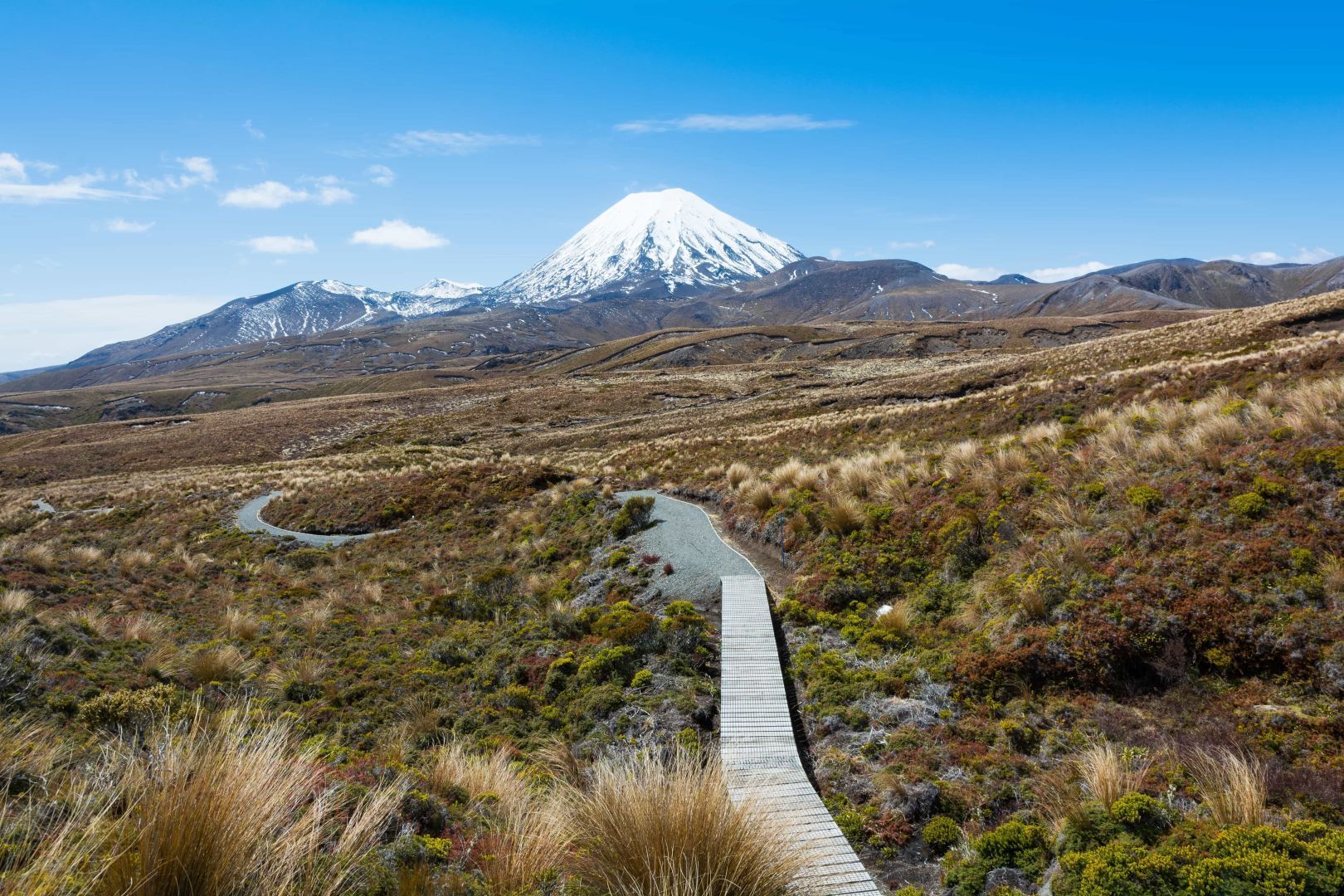
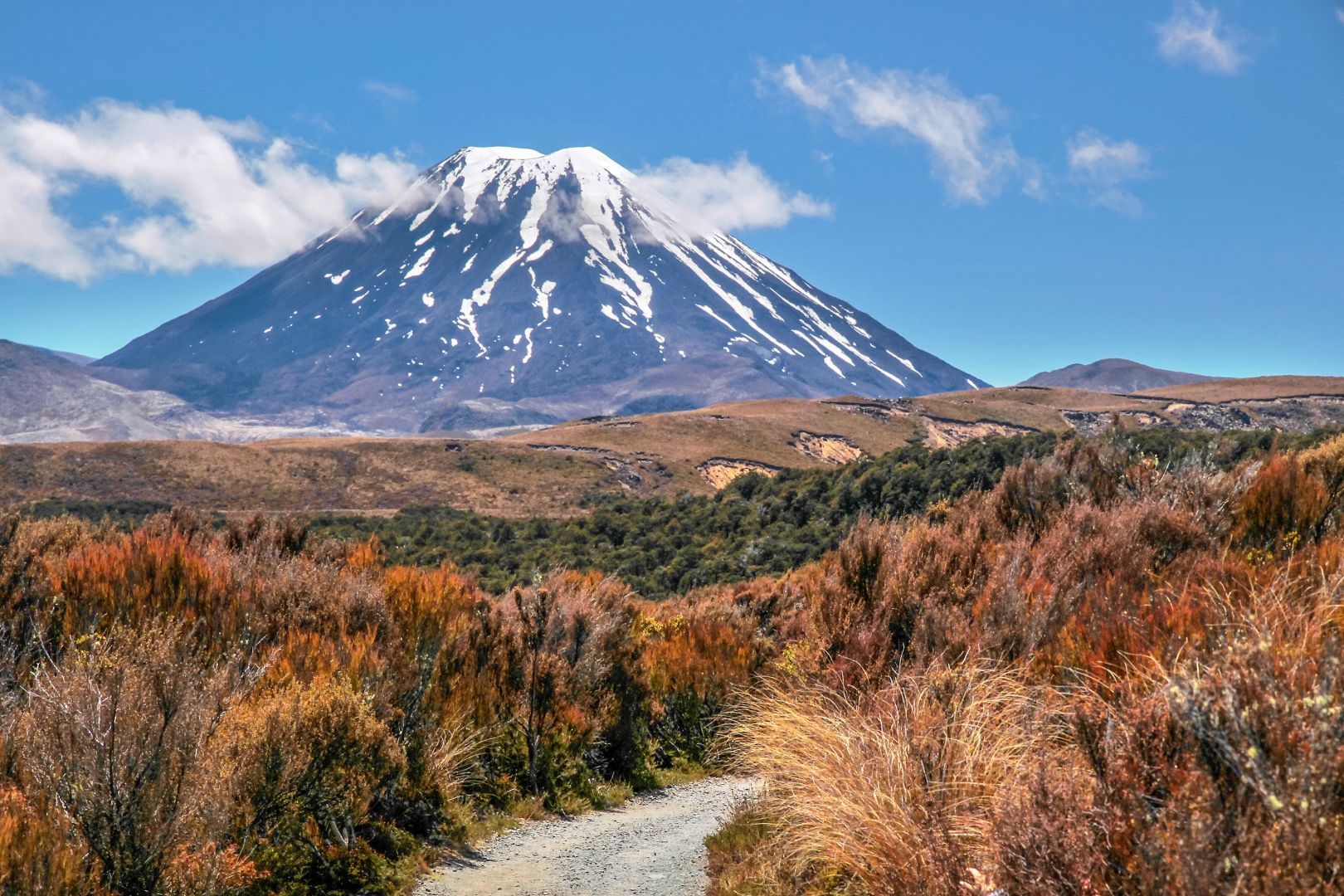
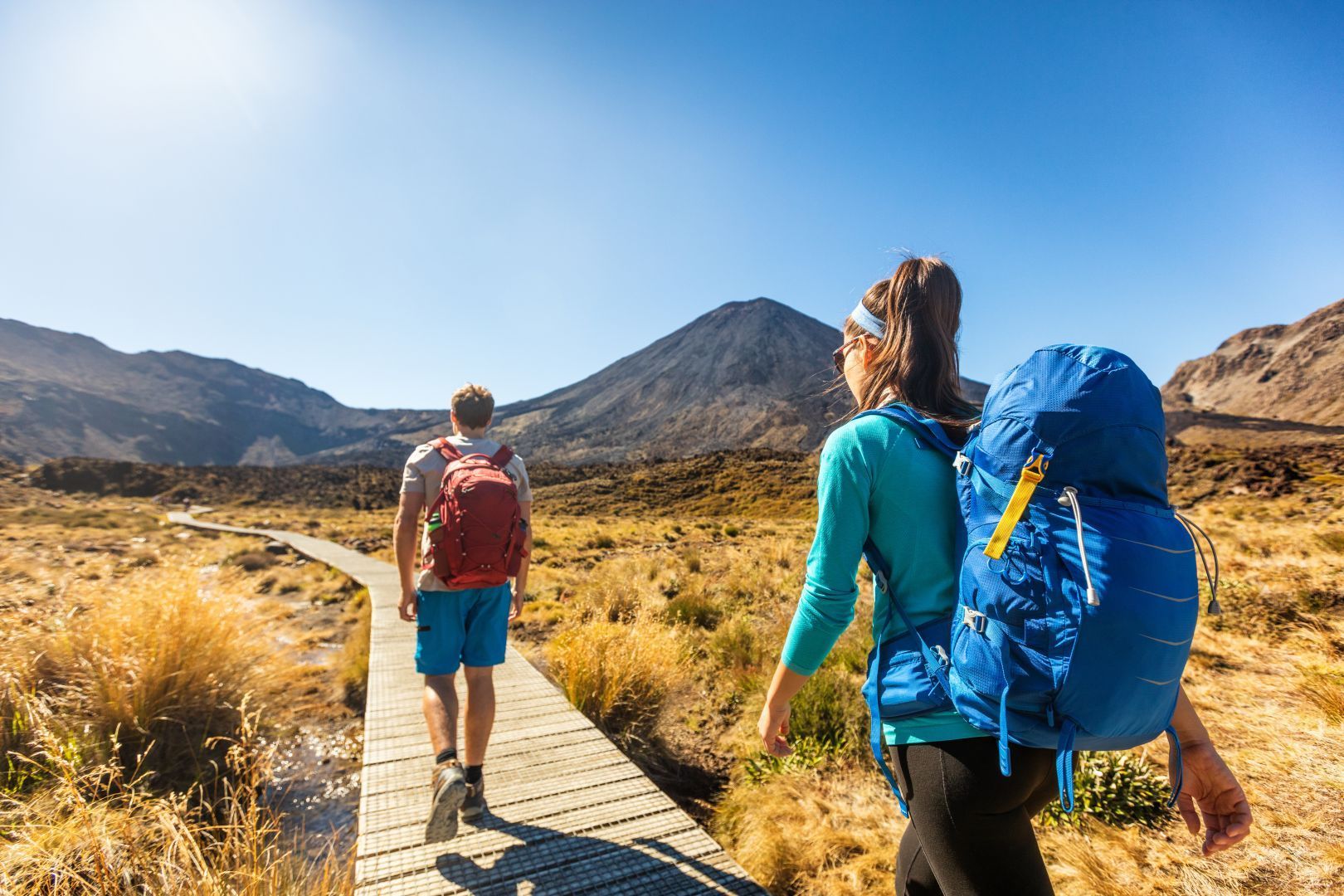
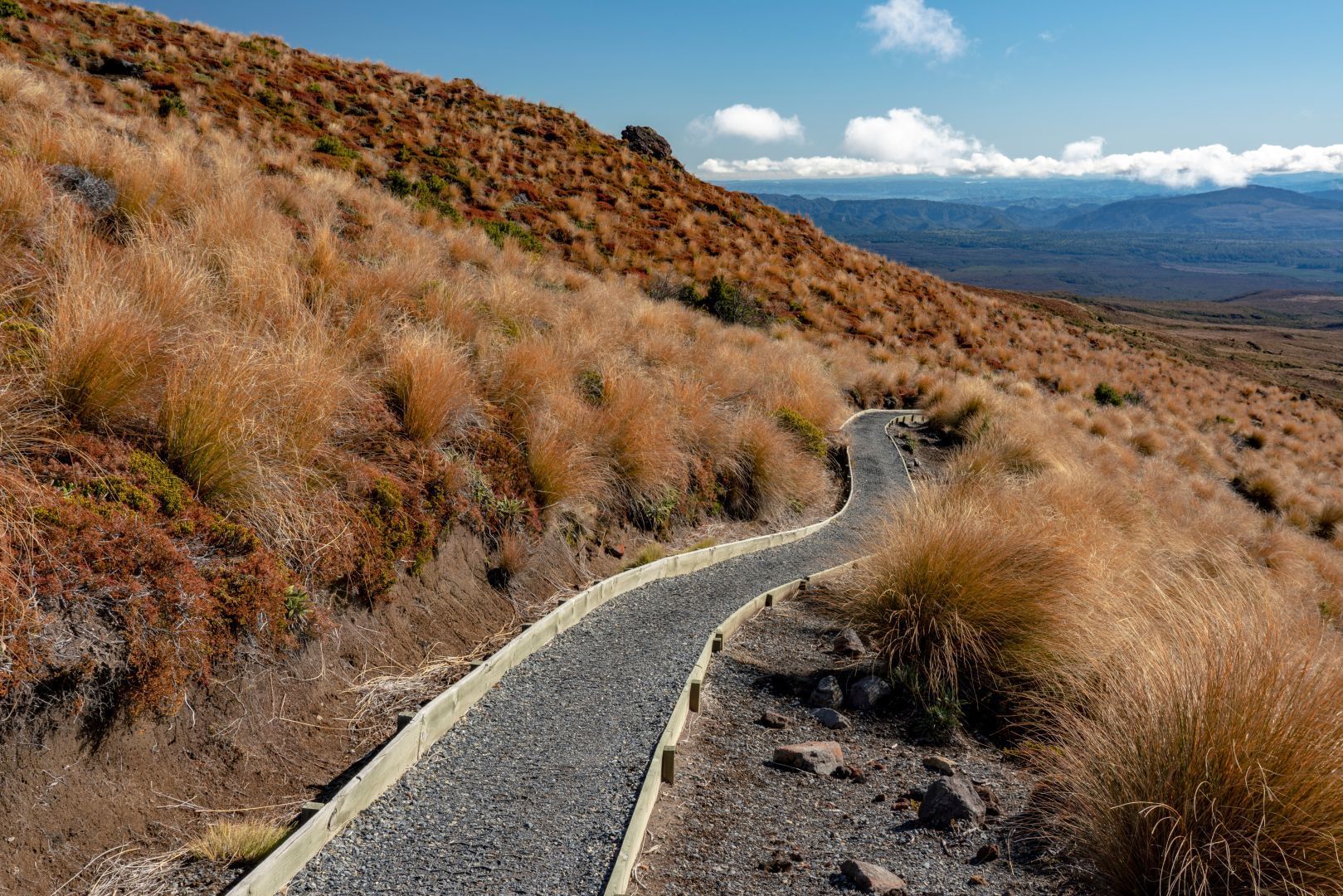
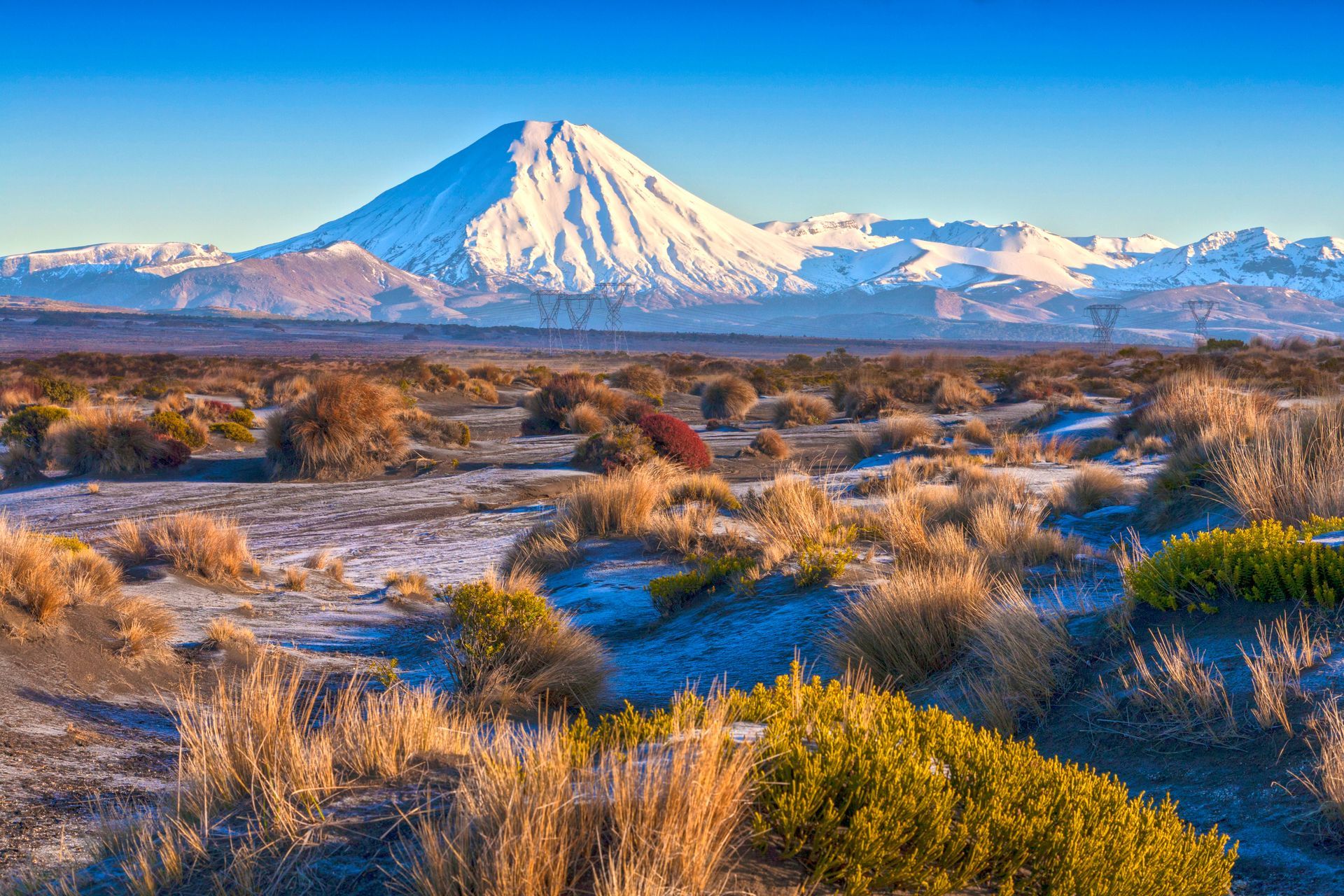
The Tongariro Alpine Crossing is one of New Zealand’s most incredible day hikes. An 8-hour journey taking adventurers through an impressive volcanic alpine landscape featuring vivid emerald lakes, steaming vents, and stunning views.

Although over 100,000 hikers, ranging from novices to experienced trekkers, complete the 20.2km crossing each year, its varied terrain and unpredictable weather means preparation is essential.

As the longest-running provider of Tongariro Crossing shuttles, this guide covers everything you need to know to safely and sustainably experience the Tongariro Alpine Crossing.


1. Do Your Research On The Tongariro Alpine Crossing

The Tongariro Crossing lies within New Zealand's oldest national park, Tongariro National Park, and is a UNESCO World Heritage site renowned for its dramatic scenery and mars-like surroundings. We recommend you thoroughly research the crossing so that you are well prepared, have selected the right trip and your transport is organised.

This guide ensures you know exactly what to expect, every step of the way. Here are the key phases of the hike:

  1. Mangatepopo Valley: The challenging trip begins at the Mangatepopo Road trailhead and travels through the Mangatepopo Valley. This first section is relatively flat on a well-marked track, making it a great way to ease you in.
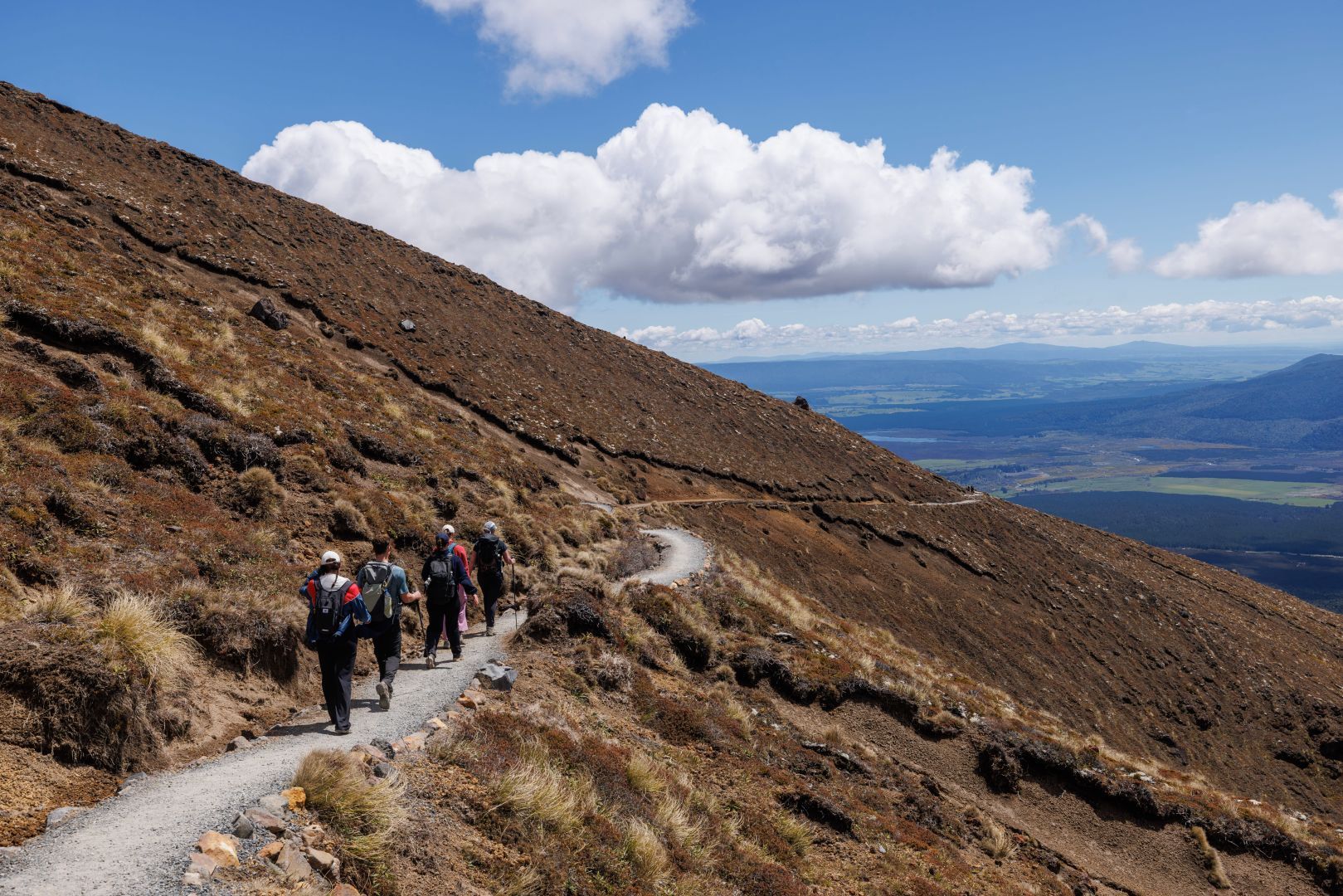
  2. Soda Springs: Next up is Soda Springs, which takes you to a well-known section called "Devil's Staircase." A steep climb takes you to 1,600 metres above sea level, with unsteady terrain shaped by old lava flows. The view here down to the valley is incredible, especially on a clear day!
  3. South Crater: After completing your first few hours, you'll reach a much-appreciated flat stretch before the next gradual climb, this time to the Red Crater.
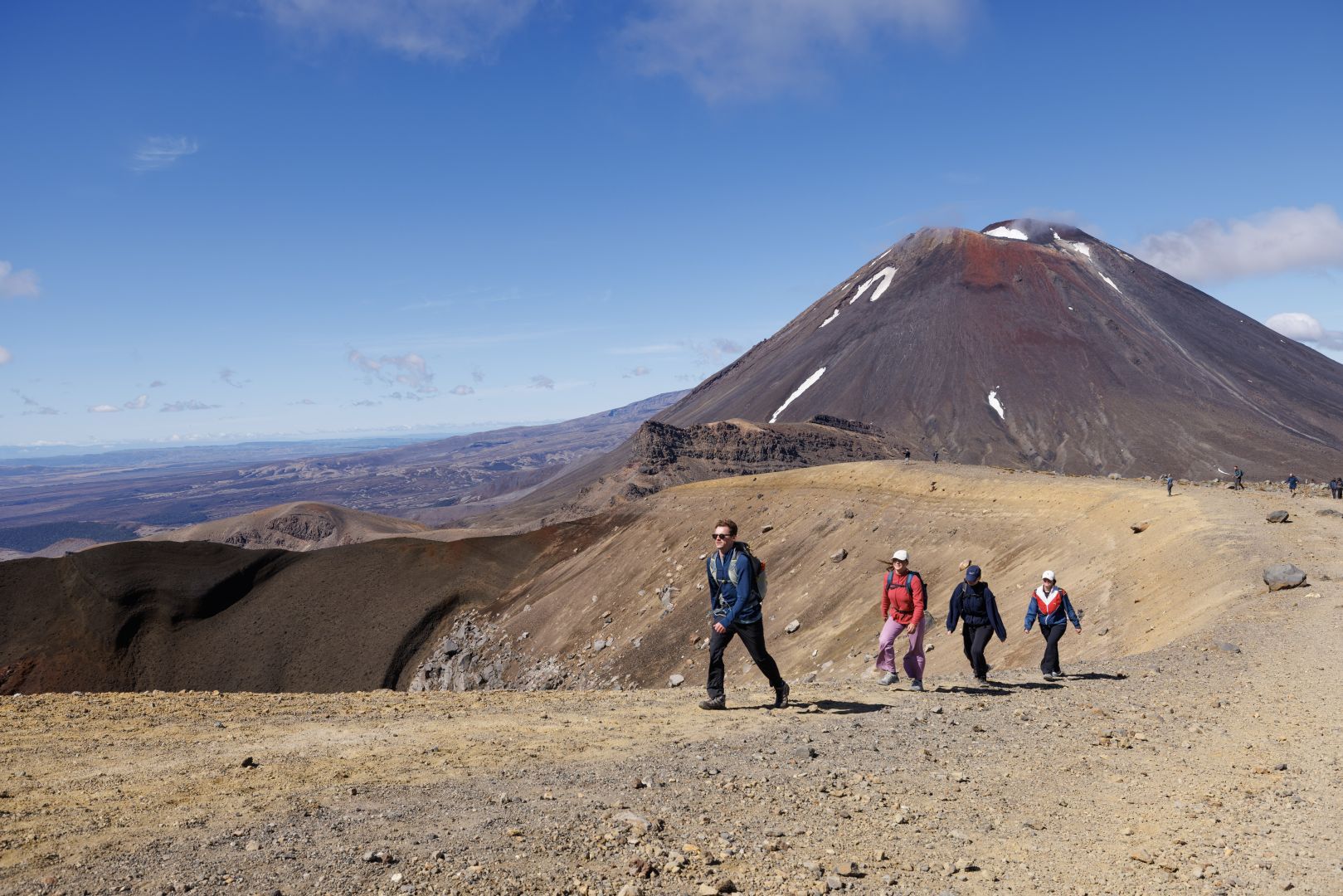
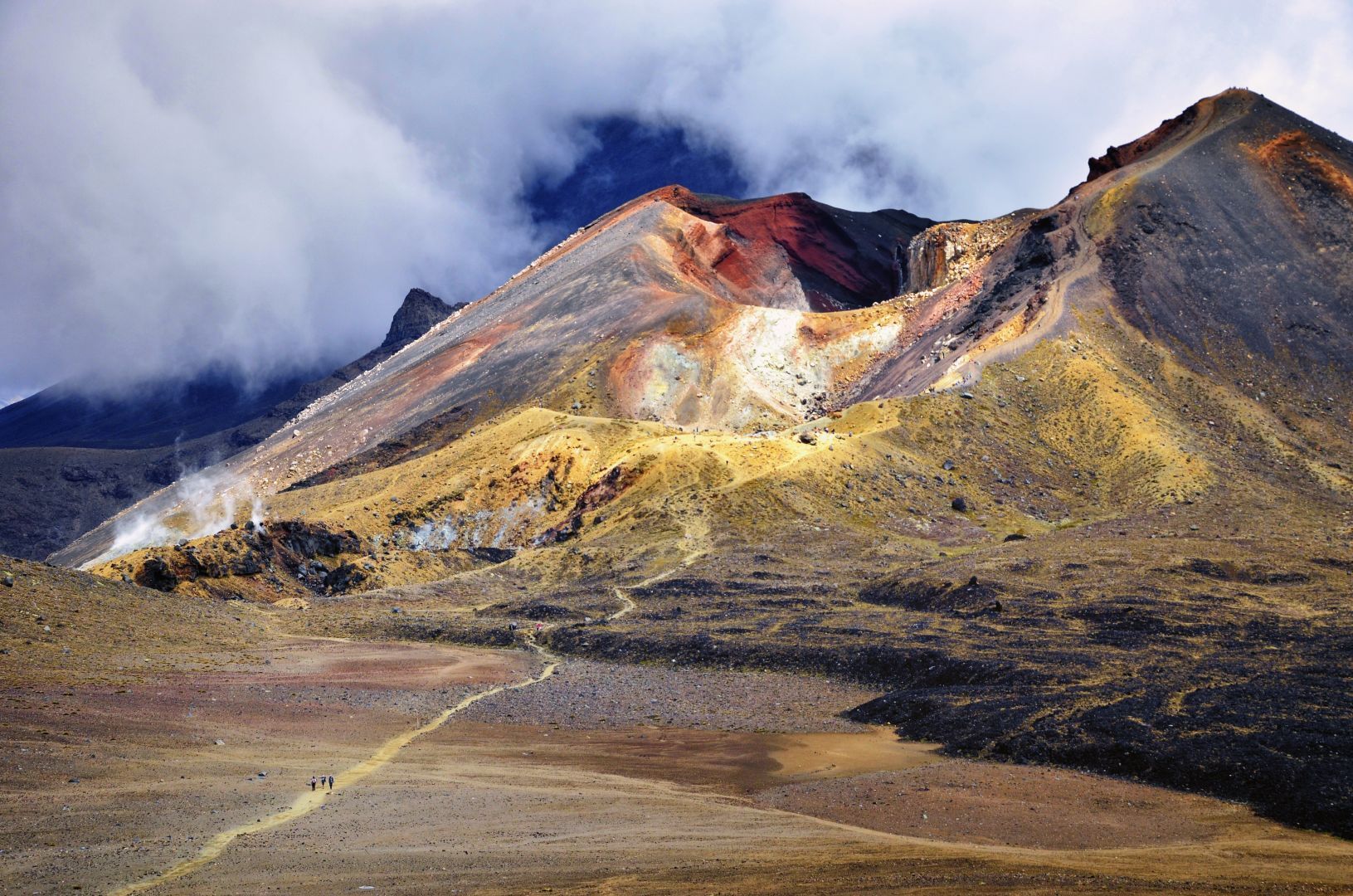
  4. Red Crater: Be prepared for a challenging climb to the highest point of the crossing, where you can expect colder temperatures and high winds. As you pass around the Red Crater, you’ll be granted incredible views of the rugged landscape, coloured by iron-rich soil.
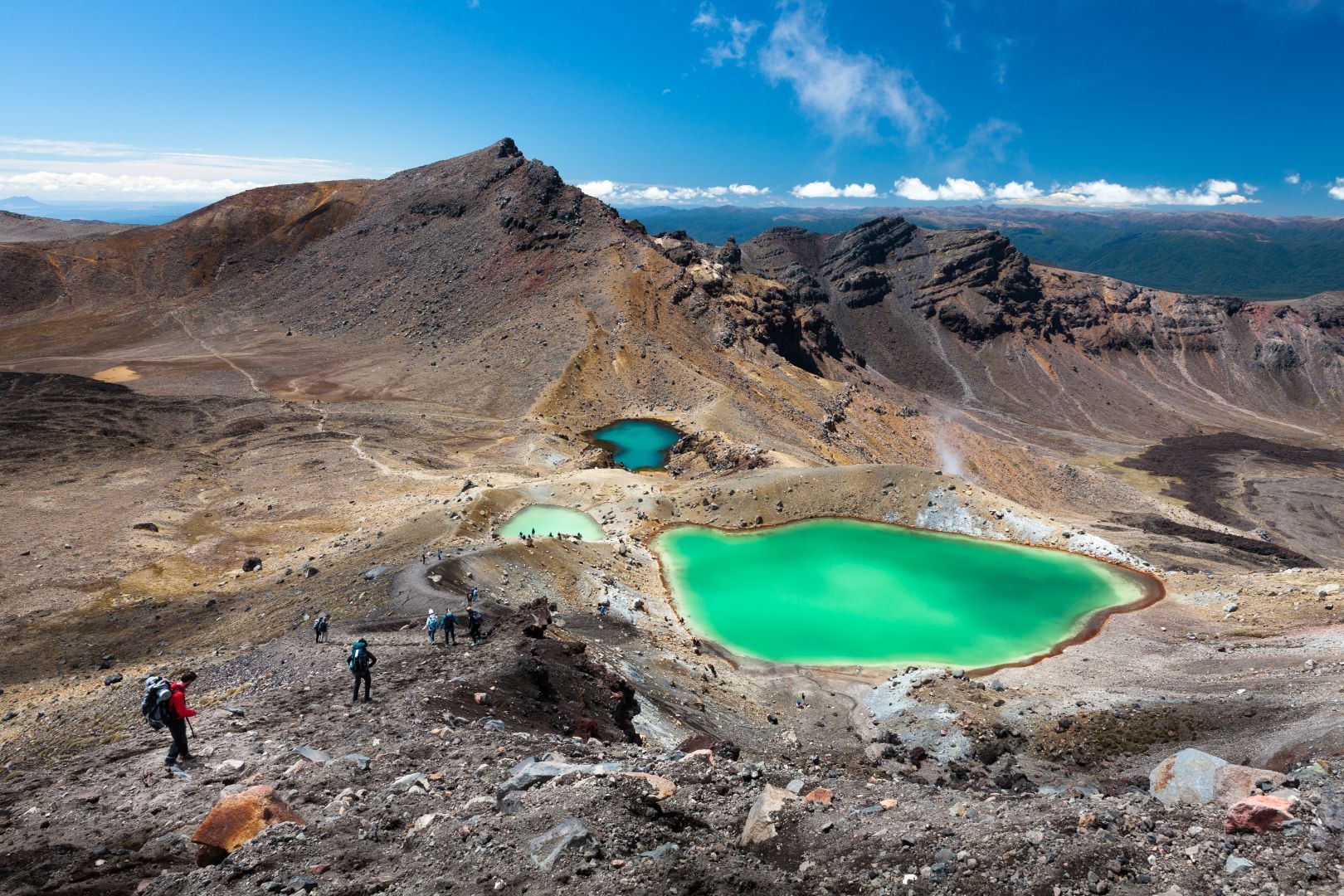
  5. Emerald Lakes: After reaching the peak, a steep descent follows, due to a slope of loose volcanic rock. Here, the vivid turquoise and emerald lakes showcase unnatural-looking colours, caused by minerals from surrounding rock, making for some of the crossing’s most iconic photos.
  6. Central Crater: After the Emerald Lakes, the trail flattens again as you pass through the expansive Central Crater. This is also where the trail splits off to the Tongariro Northern Circuit, a 3-4 day trek. There is significant geothermal activity creates extremely hot steam and can cause severe burns so it's important you stay on the trail.
  7. Blue Lake: A short climb leads you to the Blue Lake, a cold acidic lake filled with mineral-rich, crystal-clear water. This sacred lake offers a final splash of colour and serenity before you begin the descent.
  8. Ketetahi Hut: From Blue Lake, the track begins a steady down toward the Ketetahi Hut. This sheltered spot offers a great place to rest and enjoy the views before the final stretch through native bush and down to the Ketetahi Car Park.

For the full track route and timing breakdown, please see our Tongariro Crossing map.


2. Packing Essentials for the Tongariro Alpine Crossing

It is well-known that New Zealand can experience all four seasons in a day, so it's important to be prepared for your hike, year-round. 

Packing the right gear can make all the difference so we’ve put together a Tongariro packing list to help you prepare:

  • Clothing Layers: Dress in layers to stay comfortable as temperatures change throughout the day. Include a moisture-wicking base layer, a warm mid-layer (like fleece or down), and a waterproof, wind-resistant outer layer to protect against the wind and rain. It's better to take a layer off, than not be able to put something else on!
  • Sturdy Footwear: The terrain can be very rocky and uneven, so wearing hiking boots with good ankle support and a solid grip will be essential for your hiking experience. You may also like to bring hiking poles for extra stability.
  • Food and Water: Bring at least 2–3 litres of water (it's best to bring more than you think you'll need) especially if you’re hiking in the summer months. High-energy snacks such as nuts, dried fruit, and protein bars are ideal for refuelling along the way. Don't forget to pack a tasty lunch to revive you at the halfway mark!
  • Toilet Paper & Hand Sanitiser: Whilst it may sound silly, as there are restrooms every 1-2 hours along the trail, you never know quite what amenities are waiting for you so it's best to be safe than sorry.
  • Sun Protection: The altitude and lack of shade mean the UV rays can be extremely intense, especially in New Zealand. Make sure to pack (and wear!) SPF 50+ sunscreen, sunglasses, and a hat to help protect yourself.
  • Navigation and Safety Gear: Although this is a well-marked and popular hike, we do provide a map as they can be useful to have on hand in case of emergencies. If you'd like to bring your own personal navigatino device, feel free to do so. Also, pack a small first aid kit with items like bandages, antiseptic, pain relief and blister care.


3. Plan Your Logistics Ahead Of Time

Planning how you will get to the track is important. Due to the popularity of the hike, it's not as easy as arriving on the day of your hike the day and setting off. Here are the essential tips to consider and get organised.

Book a Shuttle in Advance

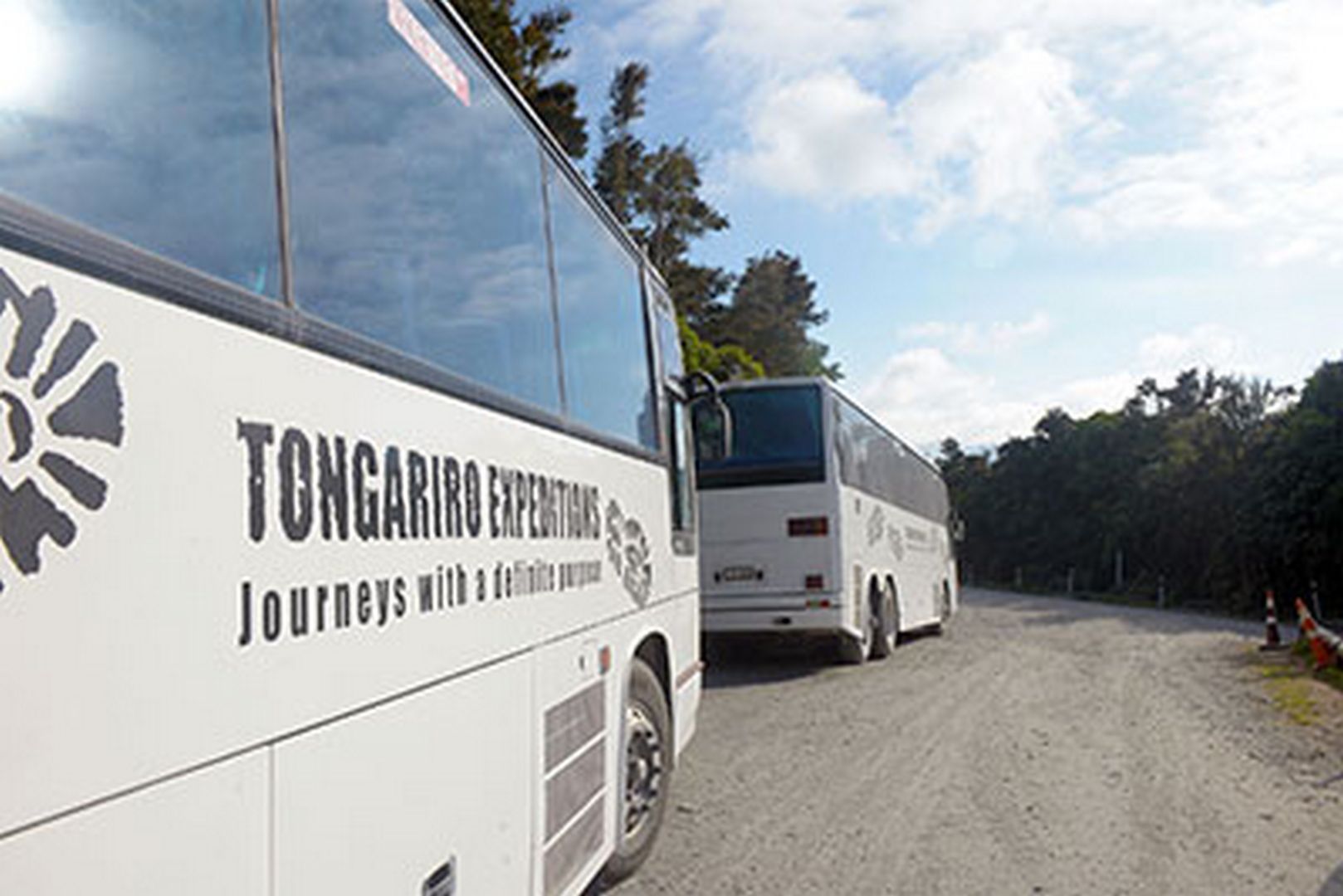
As parking space at the Mangatepopo trailhead Car Park is very limited, plus has a 4-hour time restriction, we recommend booking a shuttle that allows you to hike the crossing in one direction and make logistics hassle-free. At Tongariro Expeditions, we offer one-way and return shuttle services to make the logistics of getting to the hike seamless and stress-free.

One-Way Tongariro Shuttles

If you self-drive, our one-way Ketetahi shuttle will be perfect for you. Drive to the free Ketetahi Park n Ride at the end of the Tongariro Crossing, and catch one of our three morning shuttles which bring you to the start of the trailhead. This means you can hike at your own pace, and walk straight back to your car, without worrying about missing a shuttle back to your car park. Travelling with your family, or a large group? We've got various options for shuttle services just for you too!

Return Tongariro Shuttles

If you're staying in neighbouring Lake Taupō, Turangi or even the Tongariro Holiday Park, we offer return shuttles to the Tongariro Alpine Crossing. These services pick you up from selected accommodations, drop you at the start of the Tongariro Alpine Crossing track, and meet you at the end of the trail to return you to your transport or accommodation. 

We recommend that you reserve your shuttle ahead of time, especially during peak season, to avoid missing out on your preferred date!

Complete the DOC Entry Form

Ngāti Hikairo ki Tongariro and the Department of Conservation (DOC) aim to ensure the Tongariro Alpine Crossing remains sustainable, safe, and respectful of its cultural significance while protecting its delicate environment.

To address the issues caused by increasing visitor numbers and environmental damage, you must now complete the Department of Conservation (DOC) entry form in preparation for the date of your alpine hike. This helps manage daily visitor numbers. Only one form is required per group. For more information on the DOC track passes, please see here.

Follow Shuttle Instructions

Once your shuttle is booked and your DOC form is filled out, it's important to review the shuttle instructions provided by Tongariro Expeditions a day before your hike. The provided information includes pick-up locations and timing, to ensure a smooth start to your day. It's also important to plan to arrive at the designated pick-up spot early, as the shuttles will not wait for you if you have parked in the wrong place or turn up late.


4. Check the Weather and Be Ready to Adapt

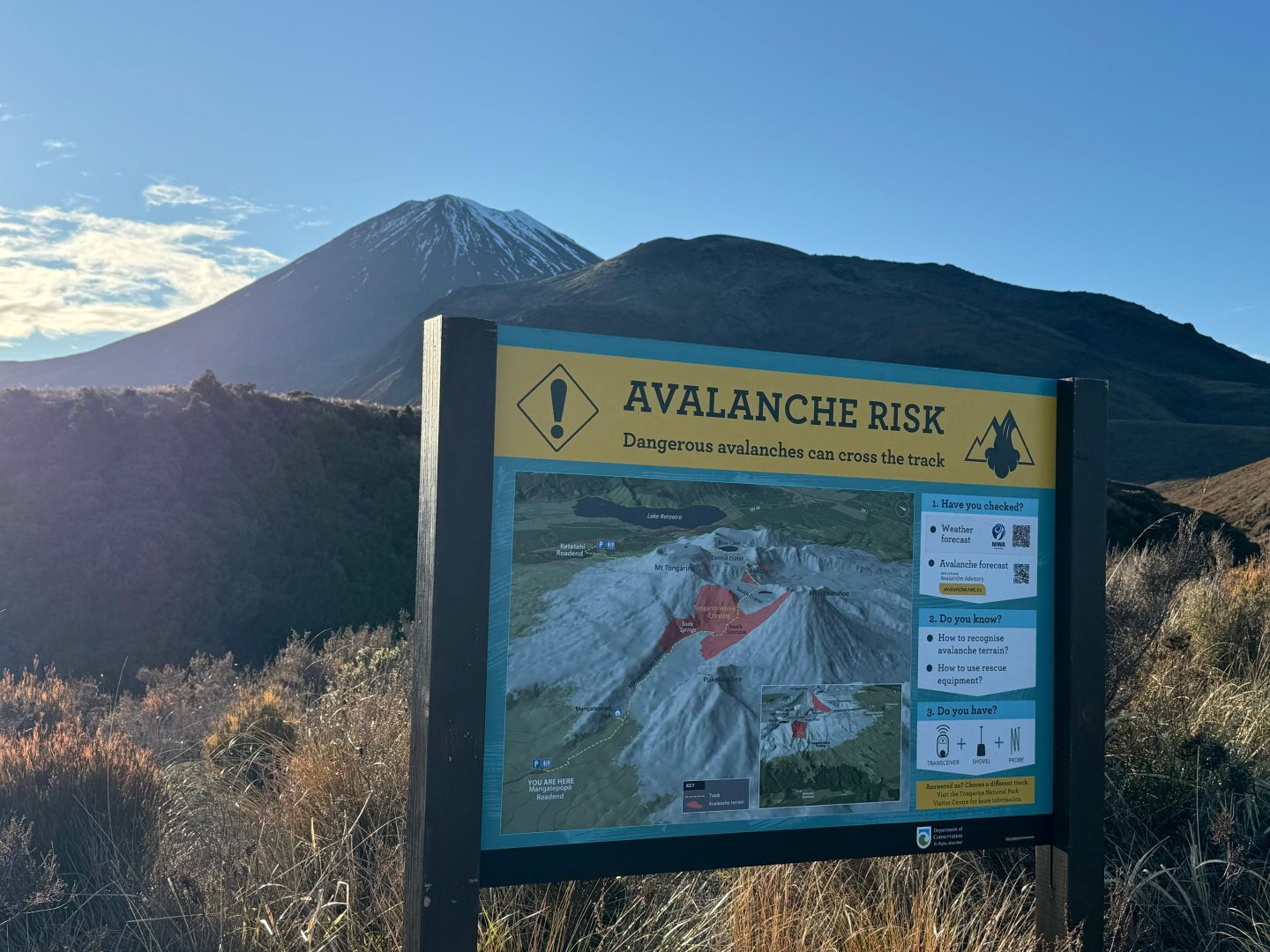
The alpine environment of the Tongariro Crossing is known for its rapidly changing weather conditions. Even in the warmer months, the sunshine can quickly give way to strong winds, rain and fog. Preparing for all possible weather scenarios is essential for a safe and enjoyable experience.

Monitor Weather Forecasts

Begin checking the weather forecast a few days before your hike, monitoring conditions like wind speeds, visibility, and temperature, as each can significantly impact your safety on the trail.

At Tongariro Expeditions we also closely monitor the weather at the Tongariro Crossing updating our website daily to ensure everyone is aware of the weather conditions and confirm the scheduled shuttles are going ahead and the required check-in time.

If the forecast shows extreme conditions, we will cancel our Tongariro shuttles, either the day before or sometimes even the morning of your departure. It is very important you monitor the weather forecast before you set off. We take safety very seriously and using our extensive experience, we can't stress hard enough it's important to monitor weather conditions. 

Should you wish to change your travel day due to adverse forecasted weather, we offer fully transferable bookings. Please contact us as soon as possible if you need to change.

Understand Your Limits and The Weather

Alpine weather can shift quickly, and fog, rain, or snow can make the trail treacherous. Although we do our best to read the weather situation as best as possible, the weather can quickly change while you are doing your Tongariro trek.

To ensure you are prepared and know what to do the map we provide you has a turnaround location. If you reach the turnaround point the weather is no good, you would call us and let us know that you have turned around, so we can pick you up at the start of the track. If you’re ever unsure or uncomfortable, don’t hesitate to turn back—your safety is the priority.

For more information on preparing for New Zealand weather, please see this video: https://www.youtube.com/watch?v=T2yA3ISFQco


5. Respect the Environment and Leave No Trace

The Tongariro Alpine Crossing is a place of cultural significance and fragile ecosystems. By respecting the environment, you can help preserve its beauty for future generations.

Here are a few things to keep in mind whilst visiting this special part of New Zealand:

  • Stay on the Marked Trails: Exploring off-track can cause erosion and damage the sensitive alpine vegetation. Stick to the designated paths to help protect the landscape.
  • Dispose of Waste Properly: Pack away everything you bring in. Even biodegradable items like fruit peels can disrupt the ecosystem!
  • Respect Wildlife: Avoid approaching or feeding any birdlife you encounter on the crossing. Keeping a respectful distance protects both them and the unique flora and fauna.
  • Reduce Your Carbon Footprint: Using the shuttle service instead of individual vehicles minimises carbon emissions, helping to preserve the clean air quality of the Tongariro National Park.
  • Respect Cultural Heritage: The Tongariro National Park is not just a natural wonder but a site of cultural importance. Recognise and respect areas that are considered sacred to local Iwi. Taking only photos and leaving behind only footprints ensures that the landscape and its cultural significance remain intact for generations to come.

For more on being a respectful visitor to Aotearoa New Zealand and the Tongariro Alpine Crossing, read about the Tiaki Promise here.


Ready to experience one of New Zealand's most iconic hikes?

With these essential tips, you’ll be well-prepared to safely and sustainably tackle the Tongariro Alpine Crossing. From researching the trail and packing for all conditions to planning logistics, staying weather-aware, and respecting the environment, you’ll set yourself up for an unforgettable adventure.

Let Tongariro Expeditions be your trusted shuttle provider, ensuring a smooth, hassle-free journey to and from the crossing. Embrace the challenge, soak in every breathtaking view, and leave the logistics to us!

Hike The Crossing, We'll Handle The Rest

Reserve your shuttle with Tongariro Expeditions for a seamless, eco-friendly journey across this stunning landscape!

Posted by Mandy Tongariro Expeditions on November 18, 2024