

Things to Do in Tongariro National Park in Winter

Tongariro National Park in winter is a completely different experience - and we mean that in the best possible way.

Tongariro National Park in winter is a completely different experience - and we mean that in the best possible way.

The rugged volcanic landscape that makes this place so special in summer takes on a whole new character when the chilly season arrives. The peaks of Mount Ruapehu and Mount Ngauruhoe are often covered in snow, and the park shifts into one of the most dramatic alpine environments in New Zealand. For outdoor lovers who don't mind layering up, it's genuinely spectacular.


That said, winter does change what's on the itinerary. Some activities are off the cards, or require a lot more experience and preparation, and knowing what to expect before you arrive makes a big difference to how much you get out of your visit. So here's an expert guide to what Tongariro National Park in winter looks like, and what there is still to do and enjoy.


What Makes Winter in Tongariro National Park Special?

The short answer: the scenery. Snow-dusted volcanoes, crisp, clear mornings, and far fewer crowds than you'd see in peak summer make for a very different atmosphere. If you're someone who loves the outdoors but finds that the park in January feels unnaturally busy, winter is the season that gives the park its wildness back.


The flip side is that winter brings challenging alpine conditions on high-elevation routes like the Tongariro Alpine Crossing - icy or snow-covered trails, fast-changing weather, and temperatures that can drop sharply. This means proper gear, realistic planning, and knowing which activities are suited to the season and your experience levels. With that in mind, here's what we'd recommend for your winter visit.

1. Ski or Snowboard on Mount Ruapehu

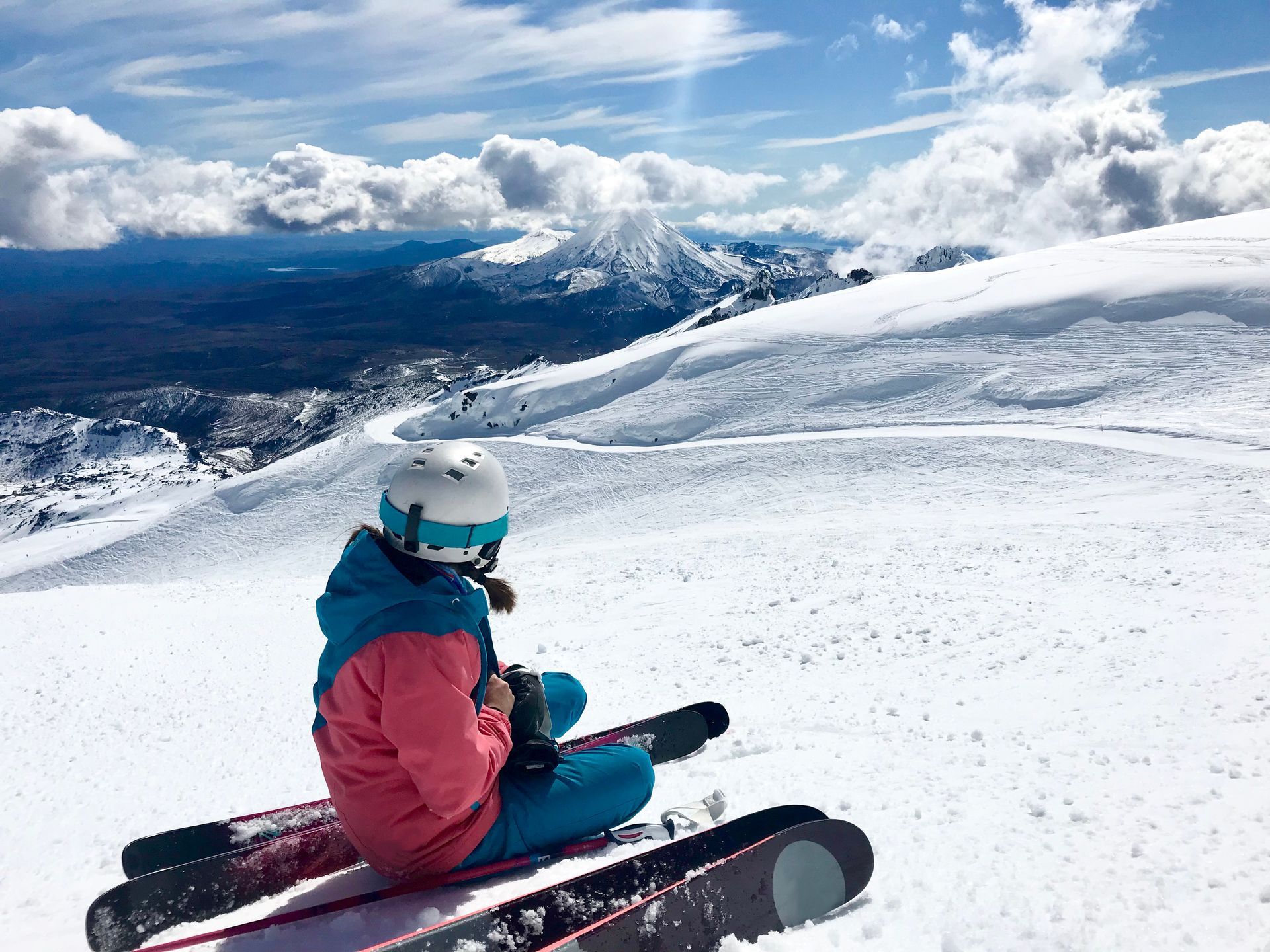
When the snow arrives on Mount Ruapehu, the mountain becomes one of the best ski destinations in New Zealand. There are two ski areas that operate on either side of the mountain: Whakapapa on the north-western slopes and Tūroa on the south-western side.


Whakapapa  is New Zealand's largest ski area, with 550 hectares of terrain spread across beginner, intermediate, and advanced runs. Happy Valley is a fully self-contained learner zone with its own café, rentals, and tubing lanes, making it a great option if you're new to snow sports or travelling with younger family members. The season typically runs from around June through to late October.


Tūroa  offers New Zealand's longest vertical descent at 722 metres, with wide-open terrain and natural features that suit intermediate and advanced riders especially well. It's a different vibe to Whakapapa, with it being more open and expansive, making it worth the drive around the mountain if you're spending a few days in the area.

Skier in pink jacket sitting on snowy slope overlooking mountains and clouds

2. Ride the Sky Waka Gondola

Don't ski? No problem. The Sky Waka gondola at Whakapapa is worth the trip up the mountain all on its own. The 12-minute ride climbs nearly 400 metres over 1.8km to Knoll Ridge Chalet at 2,020m, New Zealand's highest restaurant - in winter, the views over a snow-blanketed Tongariro National Park are just beautiful.

It's one of those rare experiences where the effort is minimal, but the reward is huge. Take your time at the top, have a hot drink or a meal, and soak in the view that makes you feel very small and very lucky at the same time.

3. Walk the Lower Tracks

Just because the high alpine terrain is off limits for casual walkers in winter doesn't mean the park's walking tracks are entirely out of play. There are a few shorter, lower-elevation options that can still be enjoyed in winter but we still recommend checking DOC conditions before heading out, wear proper footwear, and be prepared for icy patches.


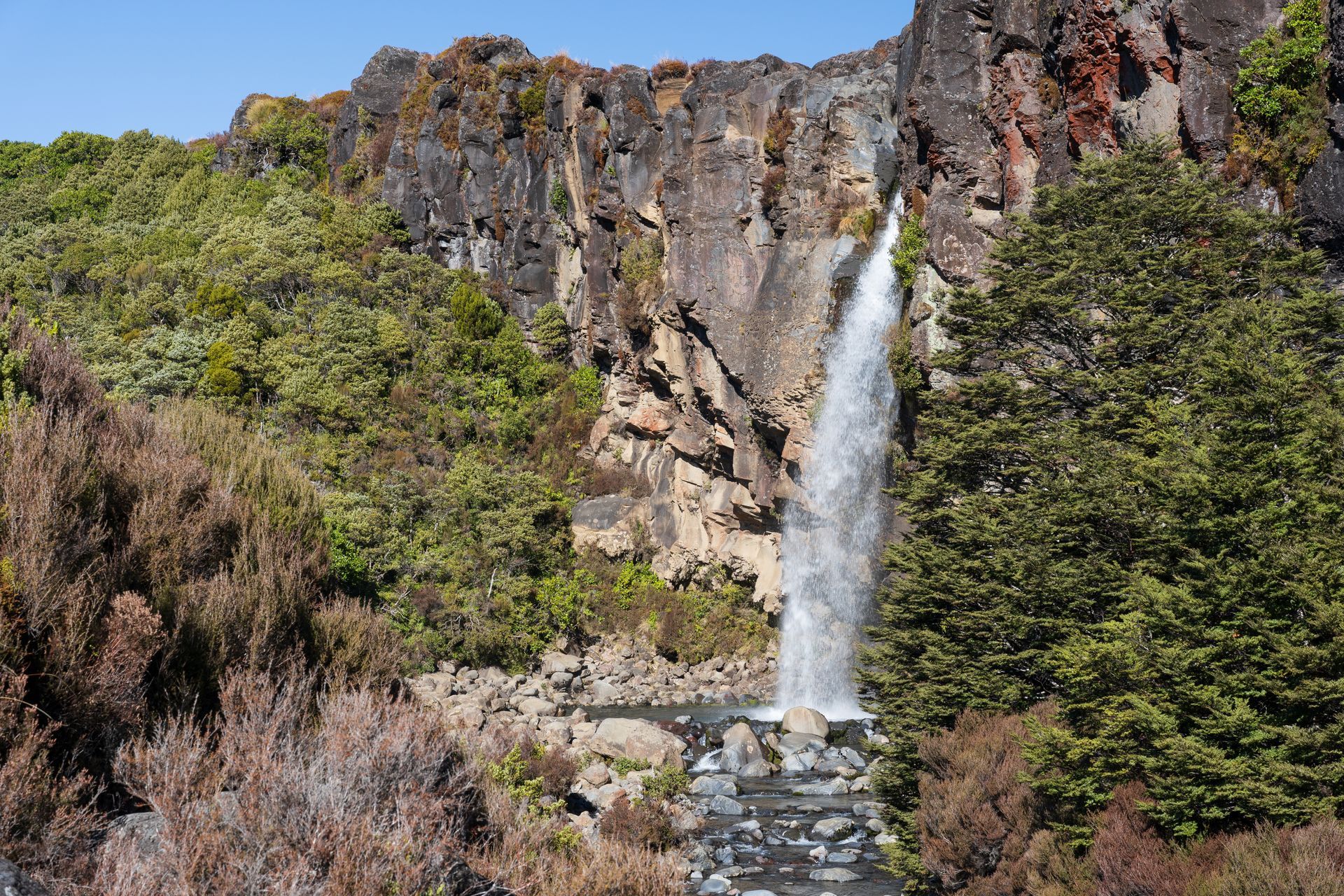
Tawhai Falls, also known as Gollum's Pool from The Lord of the Rings, is one of the easiest and most accessible. It's a short, 20-minute stroll from the road near Whakapapa Village through native bush to a beautiful waterfall tumbling over ancient lava. On a crisp winter morning with mist rising off the trees, it's quite an enchanting scene.


Taranaki Falls is a 6km loop, taking around two hours return in good conditions. The track winds through alpine tussock and beech forest before reaching the falls, where water cascades 20m down over a 15,000-year-old lava flow. Have a bite to eat at the bottom of the tumbling falls, before enjoying views of Ruapehu and Ngauruhoe on the way back (if you take the route clockwise).

Tall waterfall cascading down a rocky cliff surrounded by green trees and shrubs

4. Soak in a Hot Pool After Your Day Out

After a day in the cold - whether you've been on the slopes, on a walk, or just exploring - a hot soak is always a good idea. Tokaanu Thermal Pools, on the southern shores of Lake Taupo near Turangi (around 30 minutes from Whakapapa Village), is one of the most low-key and genuinely relaxing options in the region.


Twelve private mineral pools are fed directly from a natural geothermal hot spring and maintained at 39–41°C, plus there's a larger public pool and a free 20-minute thermal walk through native bush to bubbling mud pools and steaming vents. It's not overly polished, just a great casual spot to properly unwind, and the good news is it's open daily from 10am to 8pm.

5. Explore Ohakune

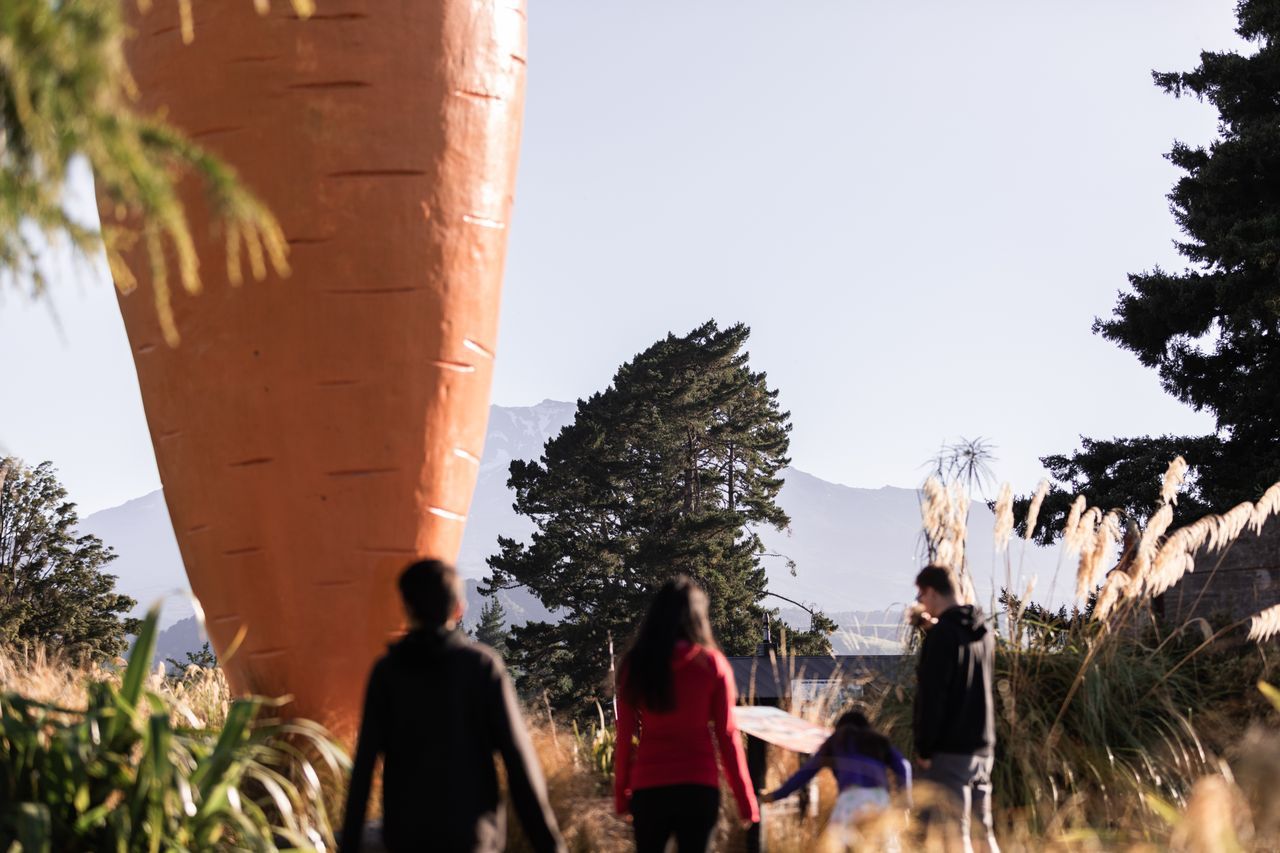
A short drive south of the park, Ohakune makes for an excellent winter base. Known as the "Carrot Capital" of New Zealand, it's a classic Kiwi ski town with good food, craft beer, and warm places to stay, but small enough to keep things relaxed. The town fills up on winter weekends when the mountain is open, so it has a lively après-ski energy that's a nice contrast to the quiet of the National Park.


If you're looking for accommodation, access to mountain activities and plenty of places for a bite, this charming mountain town is worth factoring into your itinerary.

People walking near a large orange sculpture outdoors with trees and mountains in the background


6. Stargaze on the Central Plateau

The Central Plateau is one of the best places in the North Island for stargazing, with June to August offering some of the best opportunities. Thanks to crisp winter nights, minimal light pollution and high elevation, a cloudless night out here reveals the Milky Way in a way that stops you in your tracks.


Make sure to wrap up properly as temperatures drop fast after dark at this time of year, and park up away from any villages for the best chance at seeing the stars pop - staying at Tongariro Holiday Park is a particularly good option for this, with volcanic peaks framing your view. 

7. The Tongariro Alpine Crossing in Winter

You can't write about things to do in Tongariro National Park without mentioning the Alpine Crossing, but winter is a season when we want to be clear with you about what it involves.


The Tongariro Alpine Crossing is New Zealand's most popular day hike, and for a very good reason - 20.2km of volcanic craters, emerald lakes, and jaw-dropping views that genuinely have to be seen to be believed. In summer, it's an accessible and incredibly rewarding trail for fit walkers with the right gear.


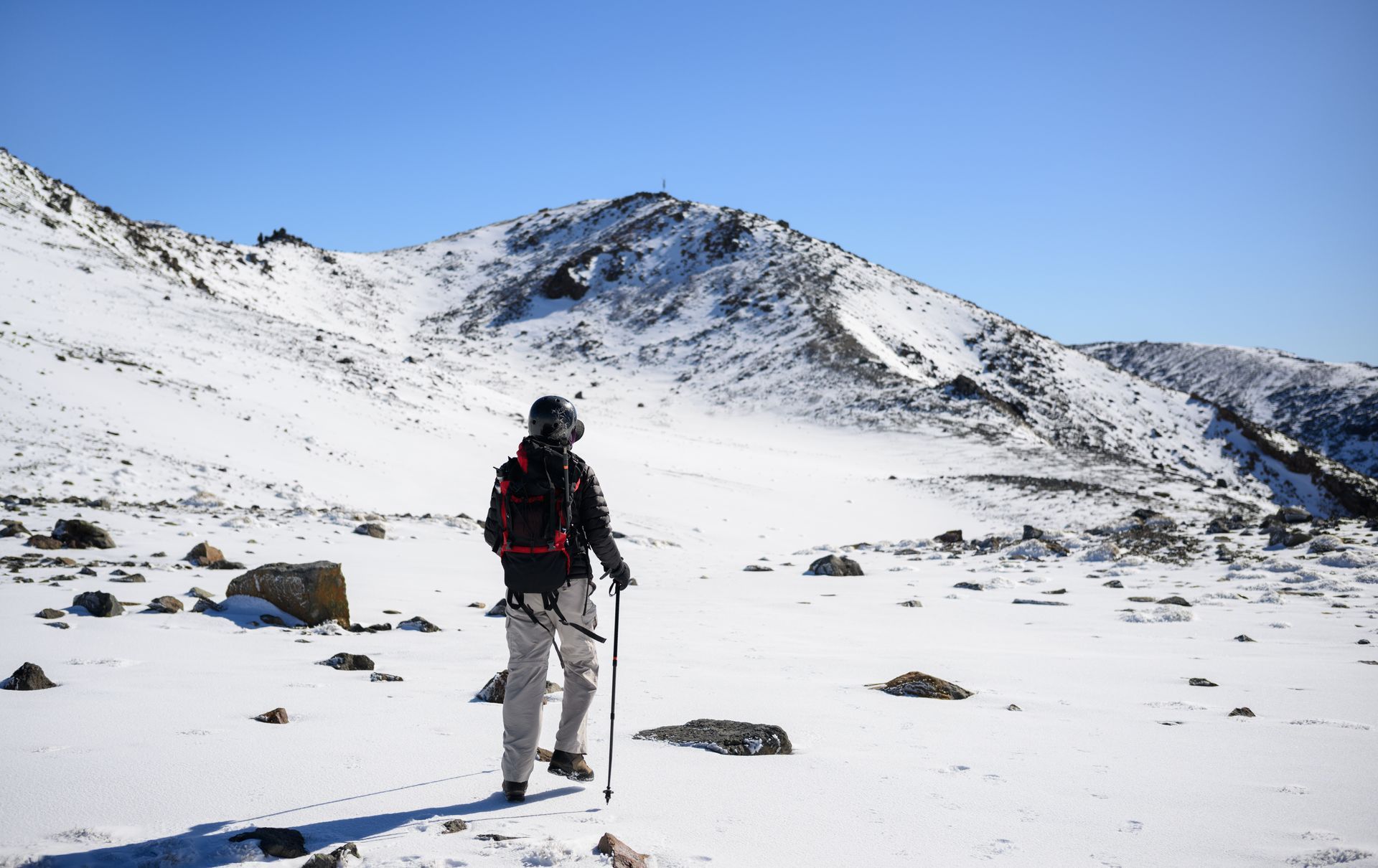
In winter, it's a different experience entirely. Once the snow and ice arrive, typically from around mid to late June, the track becomes much trickier to navigate. Icy sections, whiteout conditions, and fast-changing mountain weather mean that attempting it without the right experience and equipment is genuinely dangerous. The Department of Conservation strongly recommends that the crossing only be attempted in winter with a qualified, approved guide, and that crampons and an ice axe are non-negotiable during this season.

Hiker with backpack trekking through a snowy mountain landscape under a clear blue sky

Our Reliable Tongariro Alpine Shuttles

At Tongariro Expeditions, we've been taking visitors up to the Crossing trailhead for decades, but when the snow arrives, we pause our shuttle service for the winter season due to alpine conditions, and return once the track clears in spring.


If you're second-guessing doing the Crossing during the winter season, come back during the spring and summer season, and we'd love to help you experience it. When you book a Tongariro alpine shuttle with us, we take care of the logistics so you can simply focus on the adventure.


Frequently Asked Questions About Tongariro National Park in Winter

How cold does it get in Tongariro National Park?

Expect very cold temperatures in winter, especially at elevation. On the Crossing specifically, temperatures can range from -5°C to 10°C, with strong winds adding significant wind chill on top of that. Down in the villages it's milder, but overnight lows regularly drop to near freezing across the Central Plateau.


What is the weather like in Tongariro National Park in winter?

The weather pattern across the park is highly variable at the best of times - rain and snow can fall at any time of year, and in winter, the snow line drops down to around 1,500 metres or lower during cold snaps. Conditions can shift between soft snow and hard ice, and avalanche risk can be present at higher elevations. Always check MetService and DOC conditions the morning of any planned activity, even if it looked fine the night before.


What should I pack for a winter visit to Tongariro National Park?

A good base layer, a warm insulating mid-layer, and a waterproof and windproof outer shell are the foundation. Add warm gloves, a hat, wool or merino socks, and sturdy waterproof boots with ankle support - even for lower-altitude walks, trails can be icy. We'd also recommend having snacks, plenty of water, and a fully charged phone with an offline map downloaded on hand too while exploring the park.


Planning Your Winter Visit to Tongariro National Park

A few things to keep in mind before you head out:

  • Conditions change fast. Mountain weather on the Central Plateau can turn quickly. Check DOC's track conditions and MetService forecasts on the morning of any planned activity.
  • Dress for the cold. Even if you're just doing a short walk near Whakapapa Village, layering and waterproofs matter. Jeans and a light jacket definitely won't cut it during the middle of winter.
  • Book ski accommodation ahead. Ohakune and Whakapapa Village fill up on winter weekends, so if you're planning a ski trip, book early.
  • Alpine Crossing in winter = guided only. If you're planning a winter Crossing, contact an approved guiding operator rather than attempting it solo for your own safety.

Planning Your Winter Visit to Tongariro National Park

Fewer people, extraordinary landscapes, the best skiing in the North Island, and a renewed energy you only get from being in the mountains in the cold - Tongariro National Park in winter has a lot going for it. It just rewards those who plan, respect the conditions, and know what to expect.

Recent Posts

Family biking and walking along a waterfront path at sunset
May 28, 2026
If heading away with the family is on the cards, then Taupō is the perfect answer for a destination that keeps your adventure-loving kids busy, here are a few reasons it deserves to be at the top of your list!
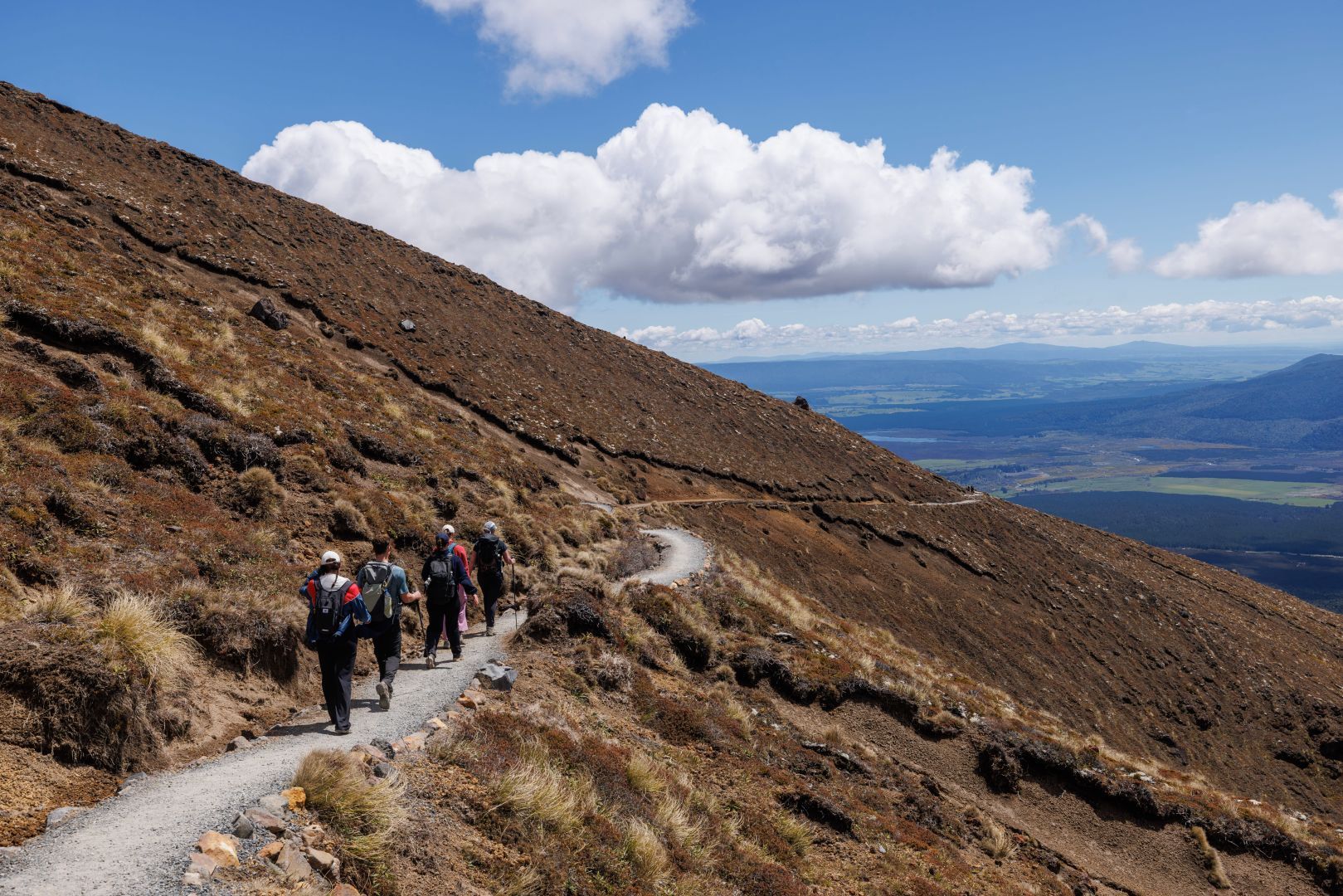
Hikers on a narrow mountain trail beside a brown hillside under a blue sky with clouds
March 4, 2026
Not sure how to get to the Tongariro Alpine Crossing? Follow our essential guide for a seamless journey to ensure a stress-free start to your hike.
Hikers crossing a barren volcanic landscape with a large mountain under a blue sky
January 14, 2026
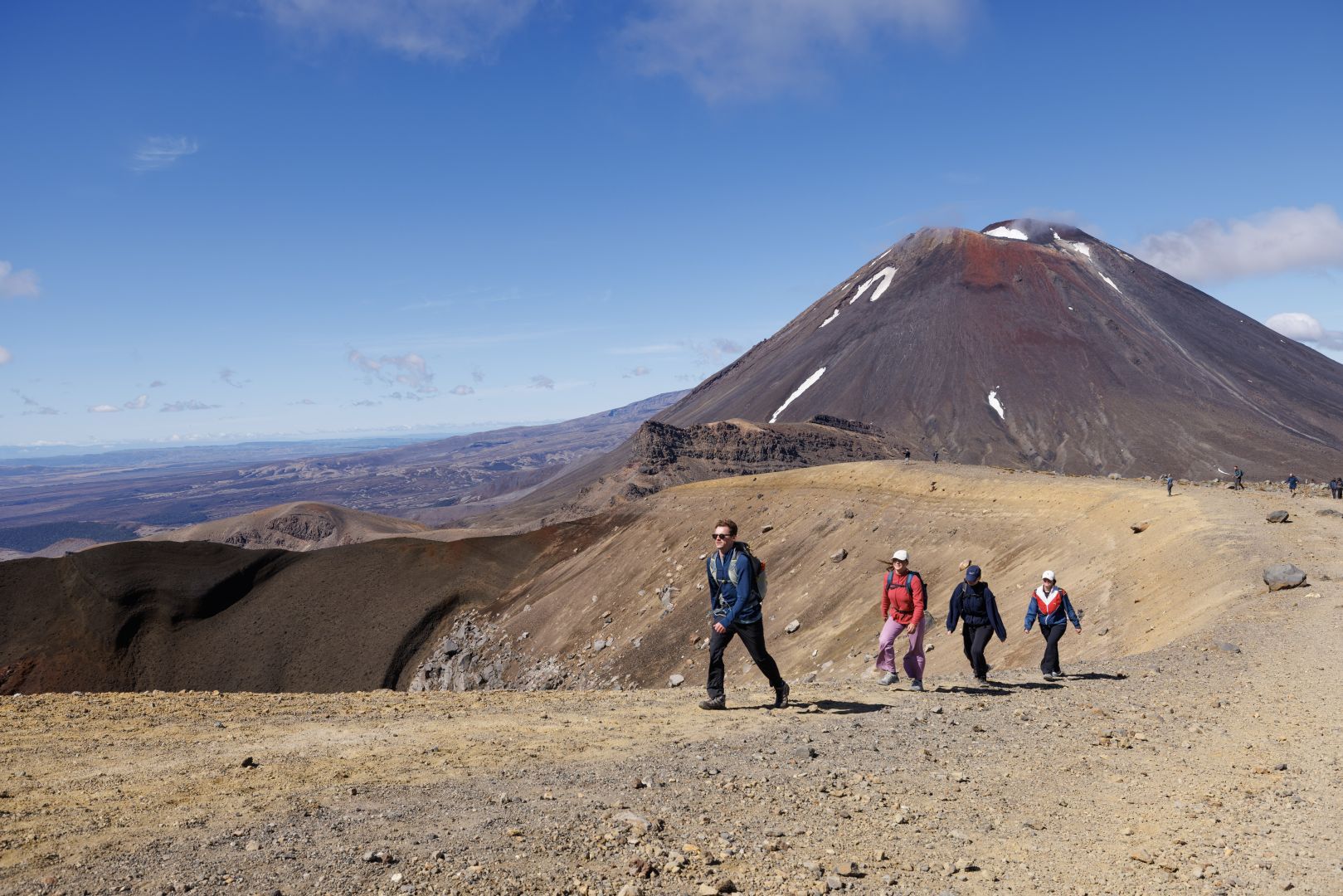
Plan your hike with our detailed Tongariro Alpine Crossing track breakdown. From the devil's staircase to the emerald lakes, learn what to expect at every stage.
A view over Lake Taupo showing Tongariro national park on fire in the background
November 16, 2025
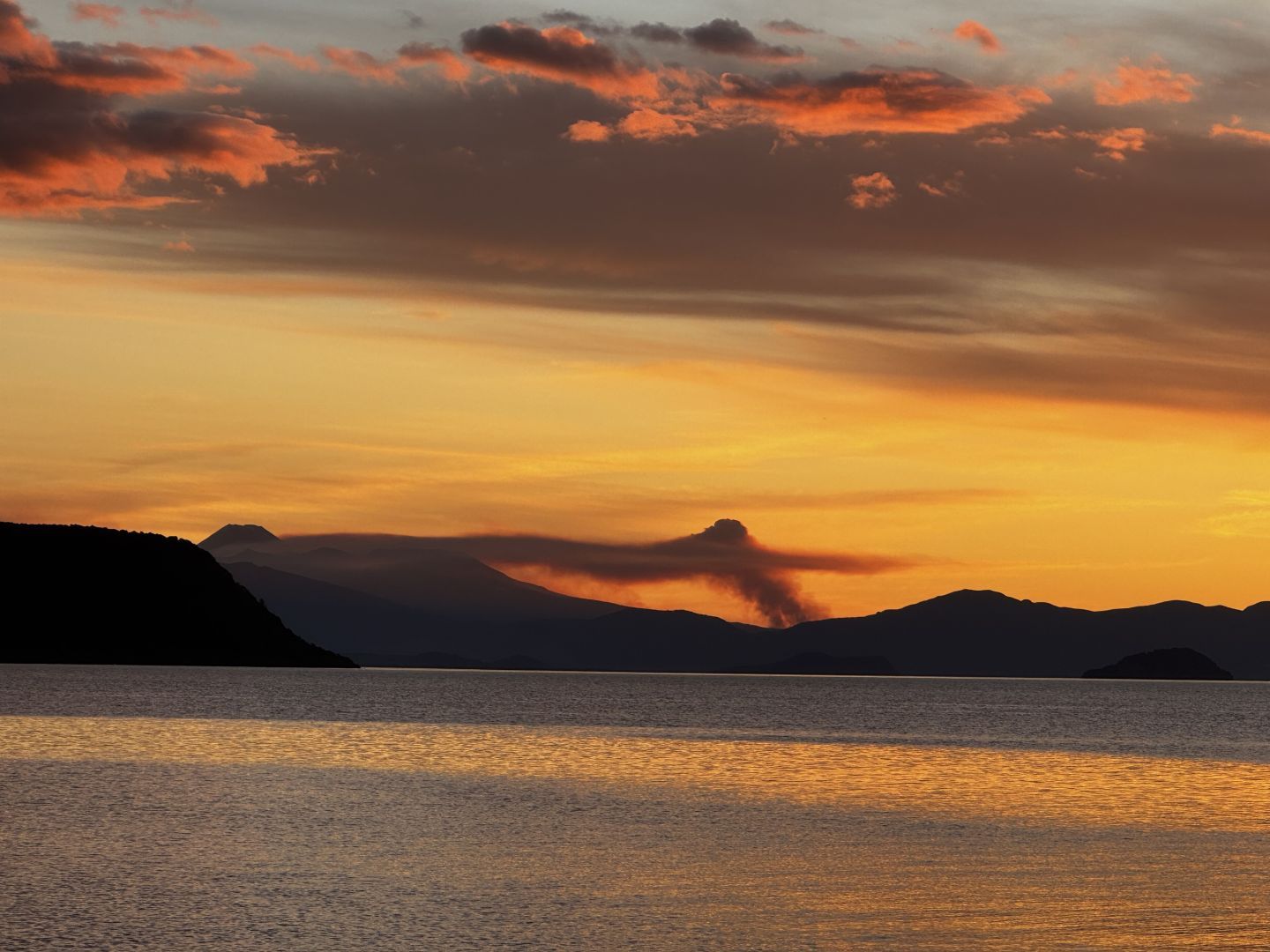
A recap of the damage from the devastating wildfire that took place in Tongariro National Park in early November 2025, causing the Tongariro Alpine Crossing to temporarily close.
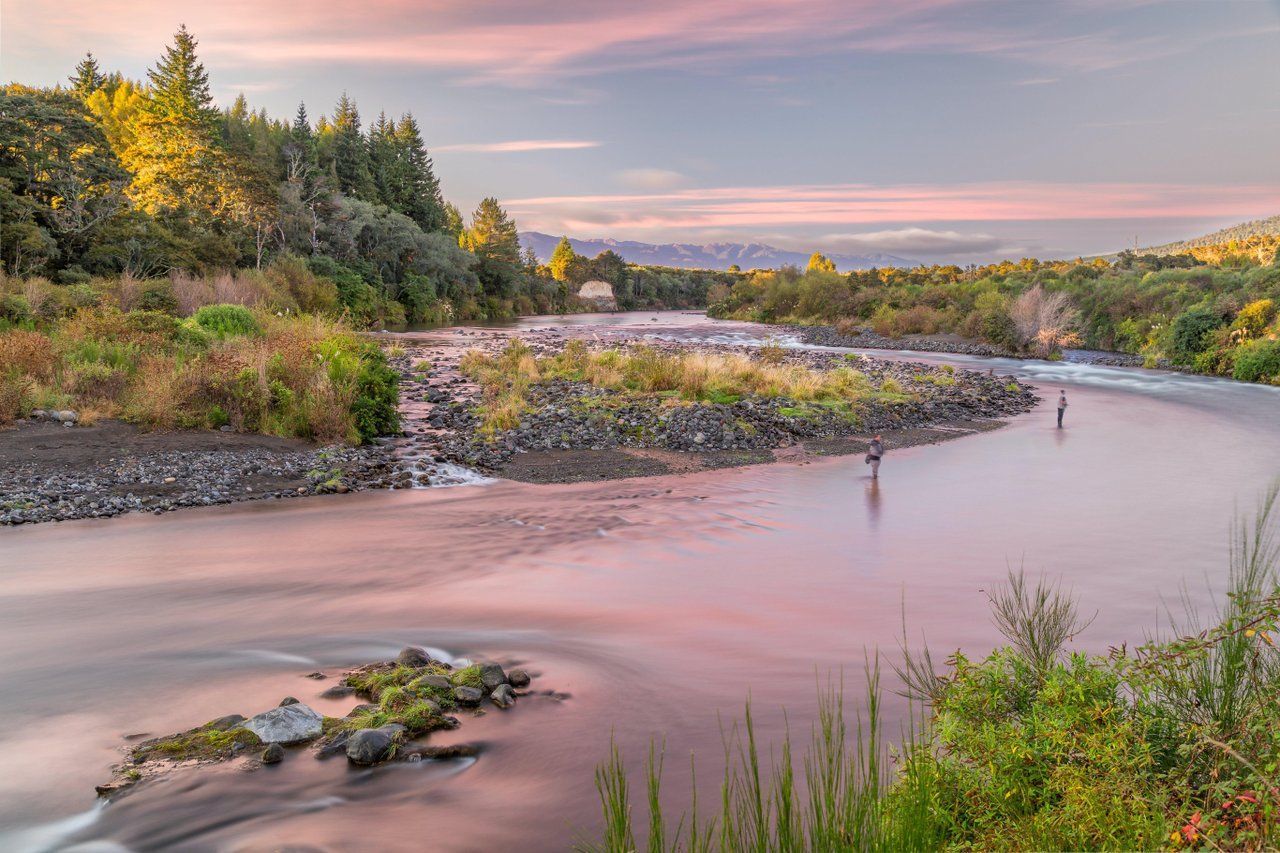
Pink sunset over a winding river with rocky banks and lush green trees.
October 2, 2025
Discover the top 6 things to do in Turangi for an unforgettable adventure escape. From world-class fly-fishing to incredible hiking, read more to plan your trip!
Wide turquoise waterfall rushing through dense green forest with a small blue raft in the foreground
July 30, 2025
Discover the best things to do in Taupō, from the Tongariro Alpine Crossing to hot pools and lake views, all in our locals' adventure guide.
Walking track leading towards Mount Ruapehu in Tongariro National Park
June 2, 2025
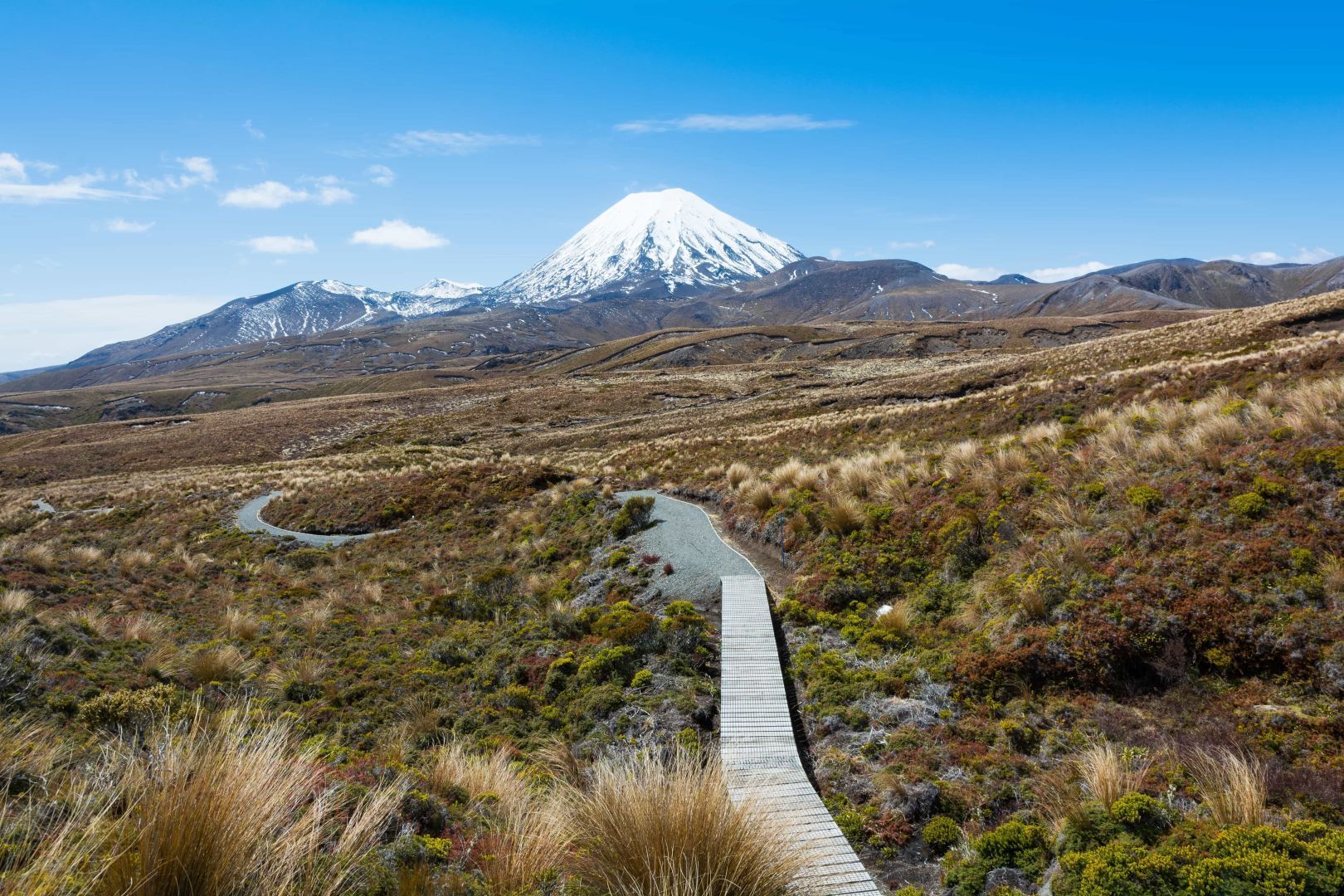
We’re big fans of the Tongariro Alpine Crossing, but there are so many other fantastic walks in and around Tongariro National Park to explore. For inspiration, read our guide.
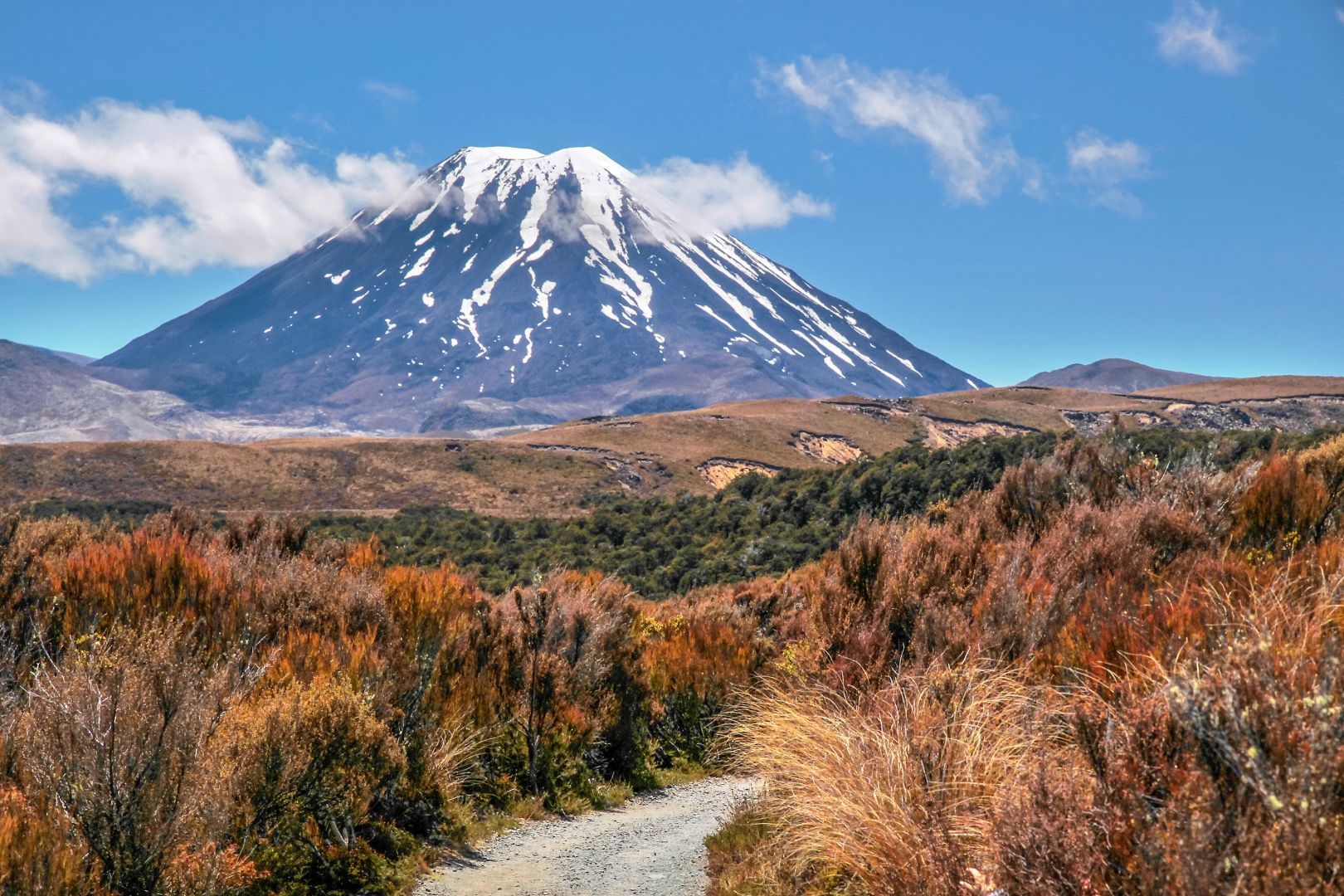
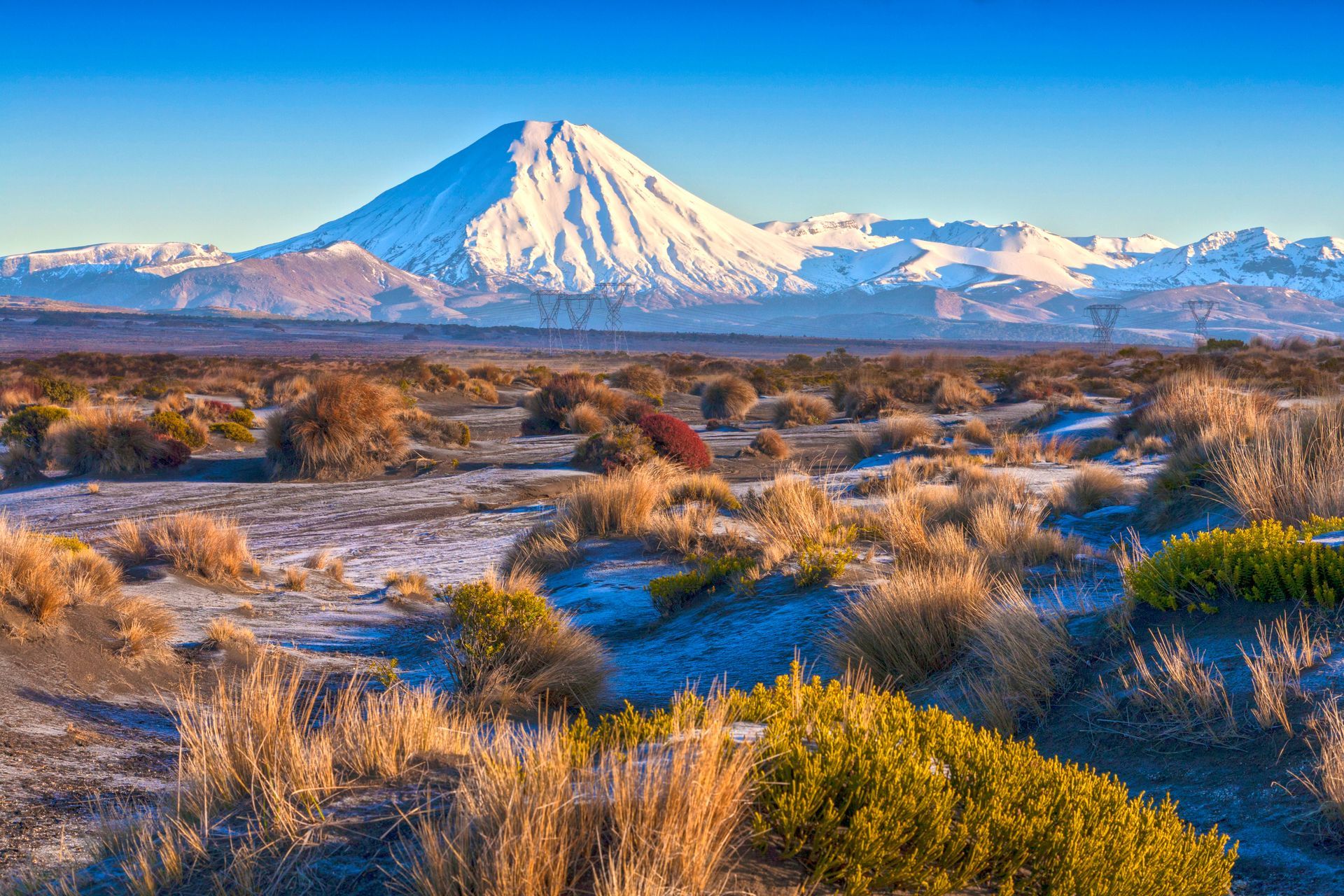
Mount Ruapehu and Tongariro National Park
March 31, 2025
Explore the best things to do in and around Tongariro National Park. From skiing and cycling to hiking and rafting, there is no shortage of fantastic experiences.
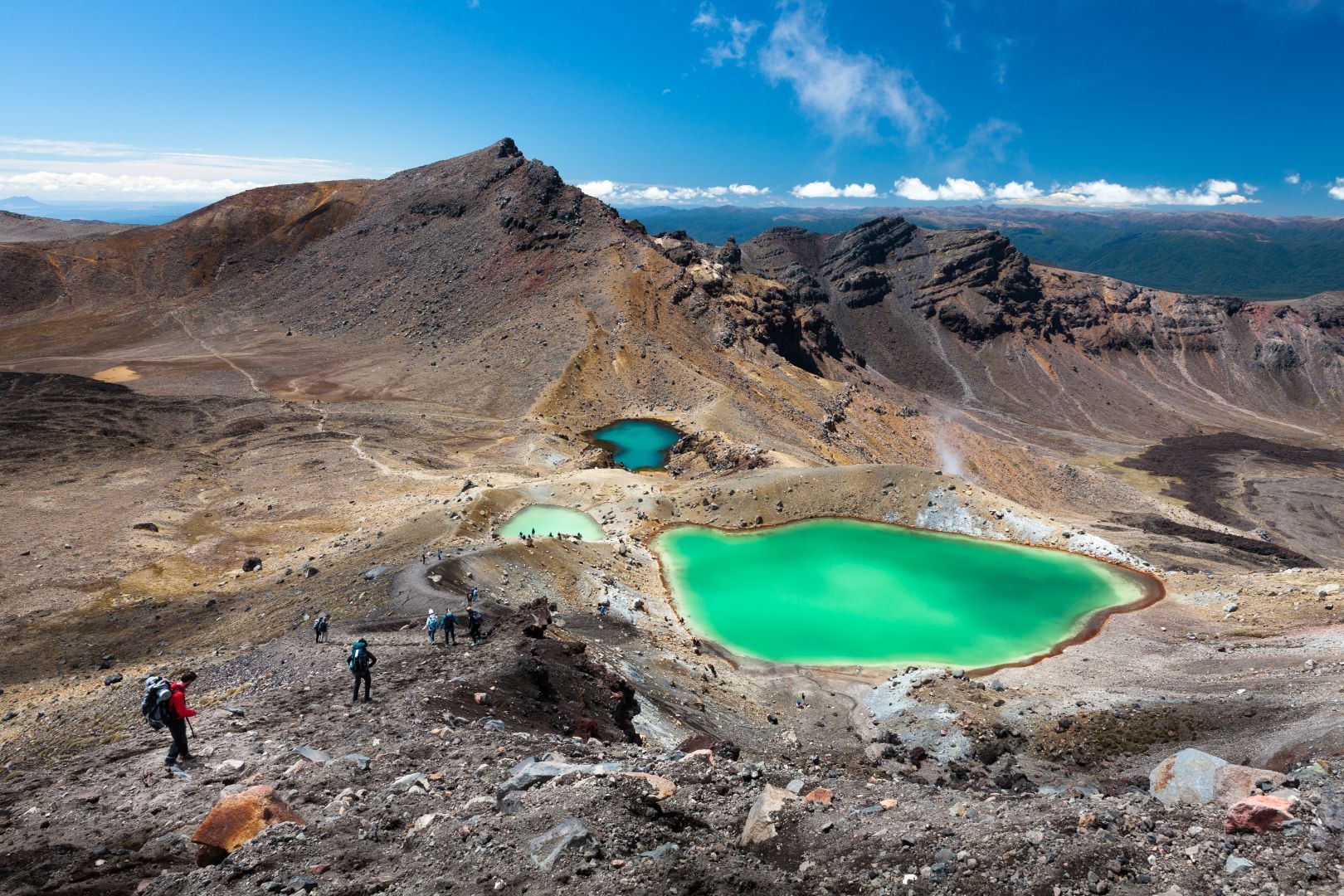
Hikers overlooking bright green crater lakes in a rocky volcanic landscape under a blue sky
February 27, 2025
Find out why the Tongariro Crossing hike is one of New Zealand’s best! From volcanic craters to emerald lakes, this iconic trek is a must-do for adventure seekers.
Woman in sunglasses drinking from a bottle outdoors at sunset, wearing a white top and backpack straps
February 11, 2025
Discover the best recovery tips to ease sore muscles, rehydrate, and refuel after your Tongariro hike. Stretch, relax, and get ready for your next adventure!

Show More