


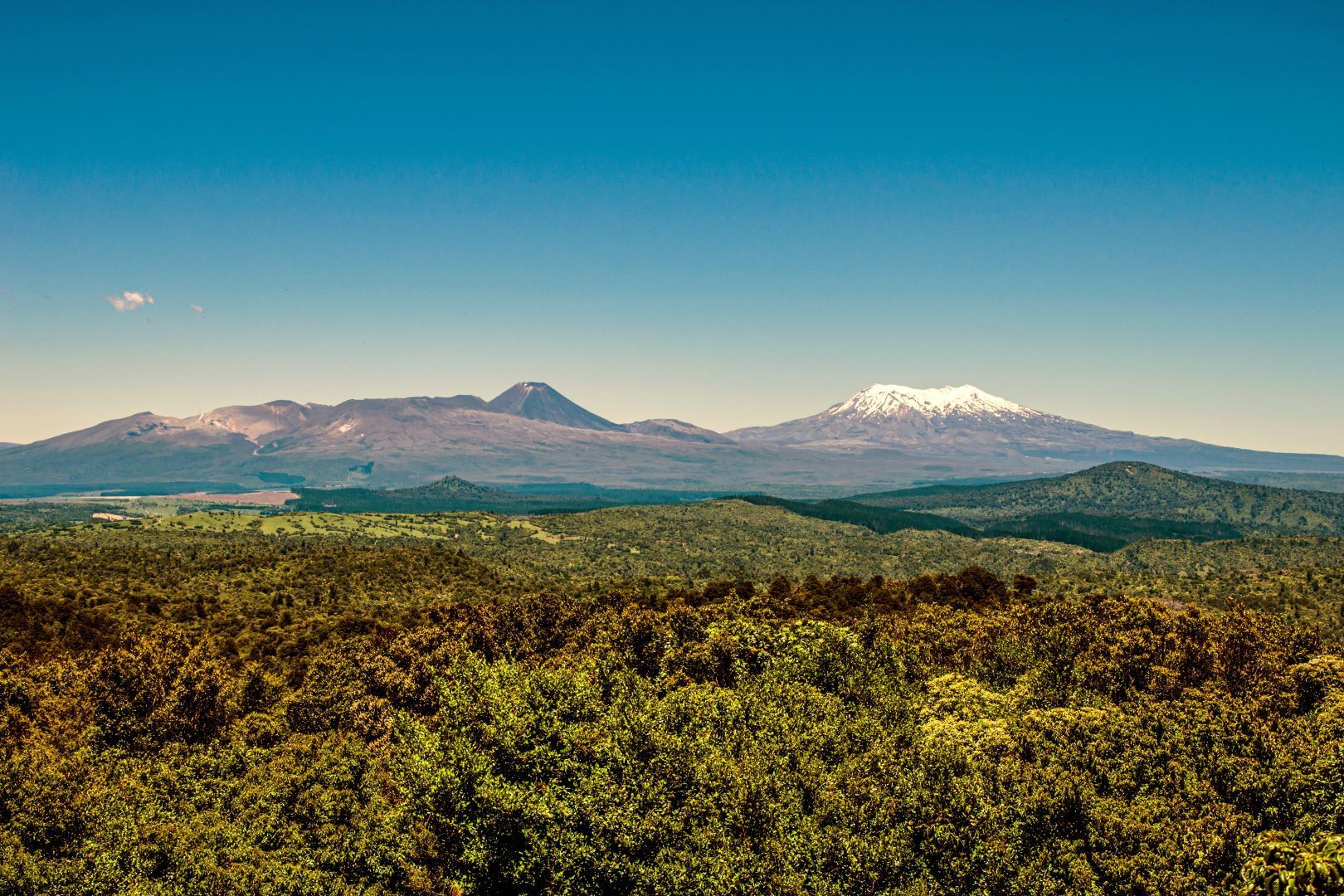
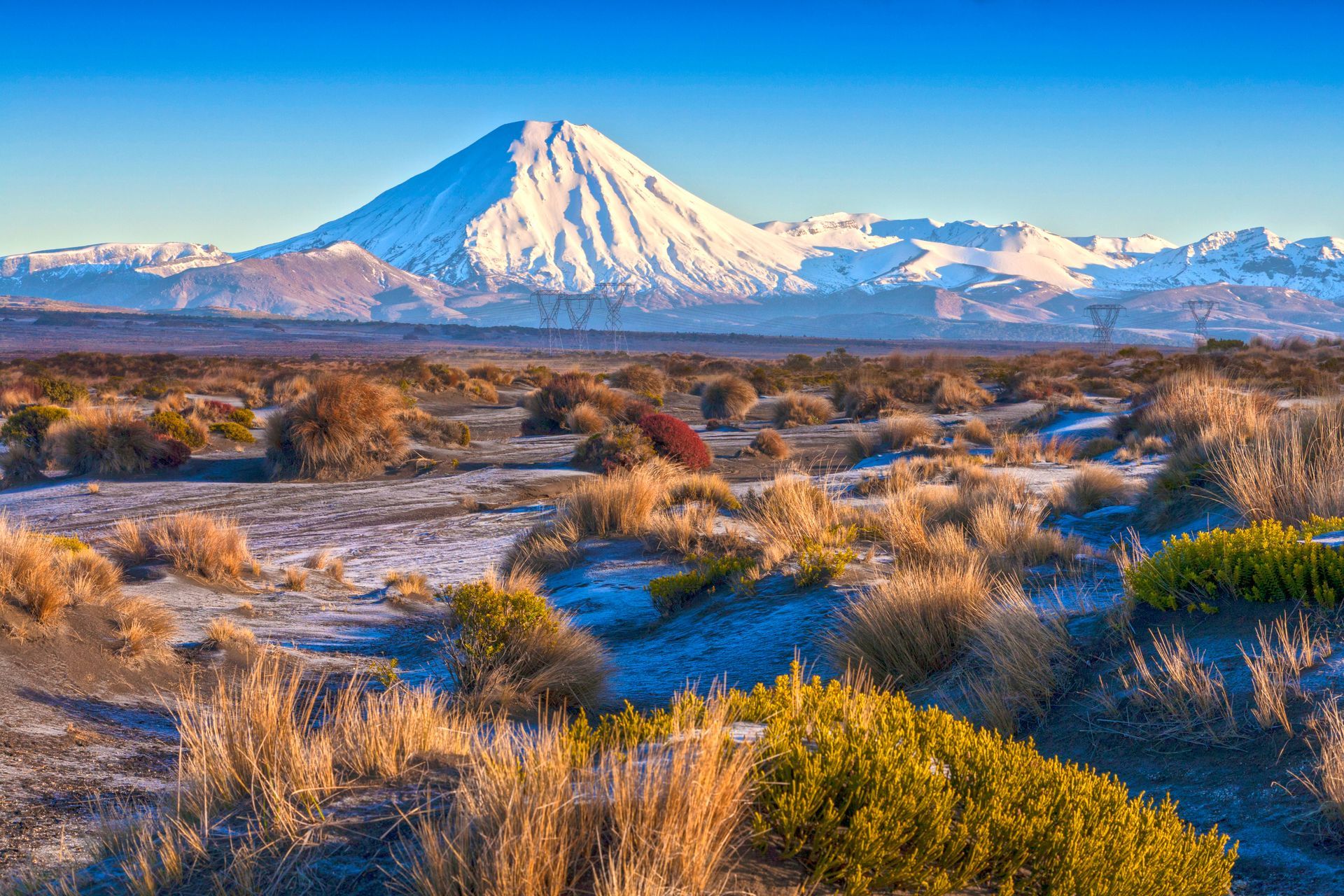
Thinking of visiting Tongariro National Park this winter? With snow-blanketed landscapes and fewer crowds, there are so many things to do to see and do this time of year.

If heading away with the family is on the cards, then Taupō is the perfect answer for a destination that keeps your adventure-loving kids busy!
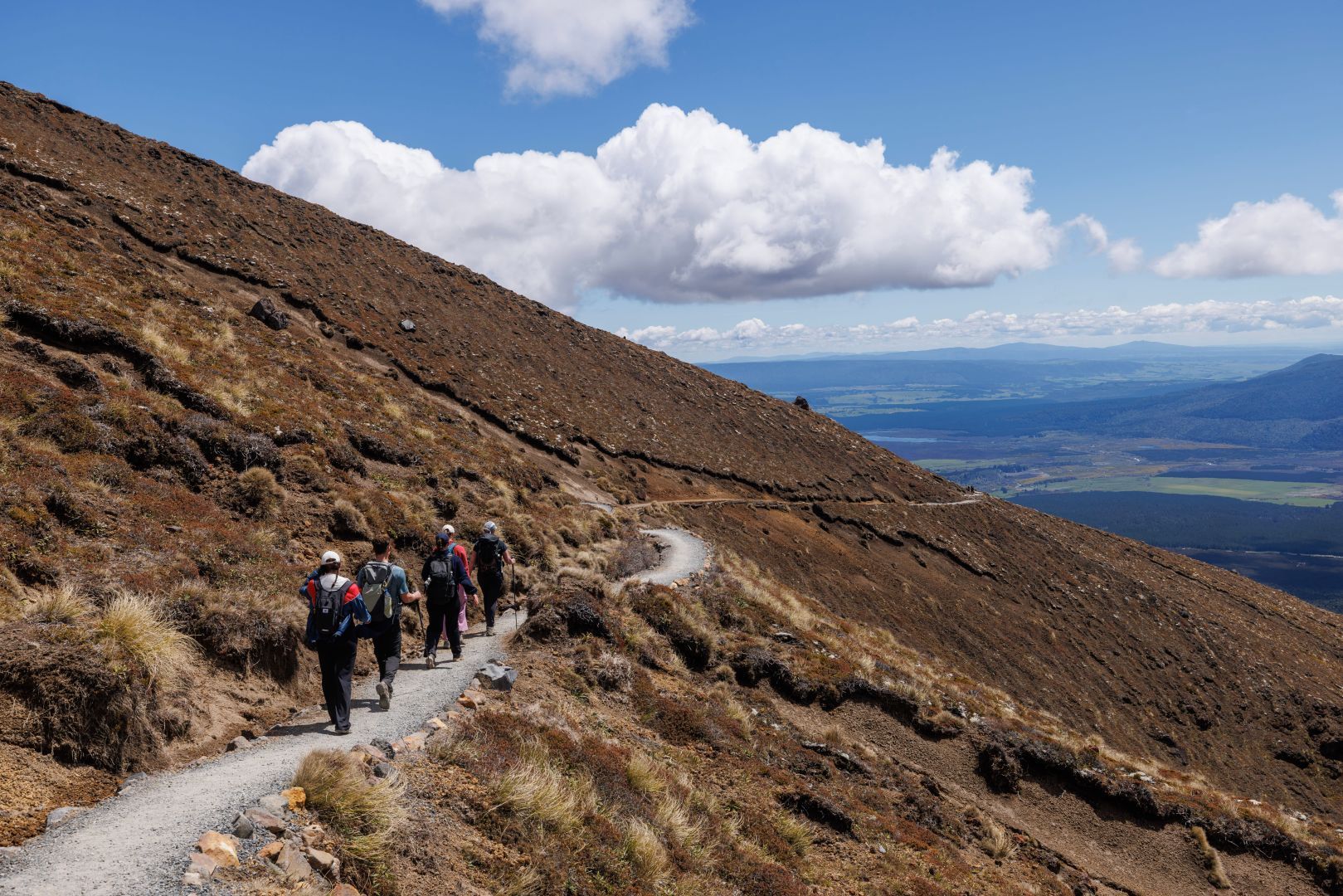
Not sure how to get to the Tongariro Alpine Crossing? Follow our essential guide for a seamless journey to ensure a stress-free start to your hike.
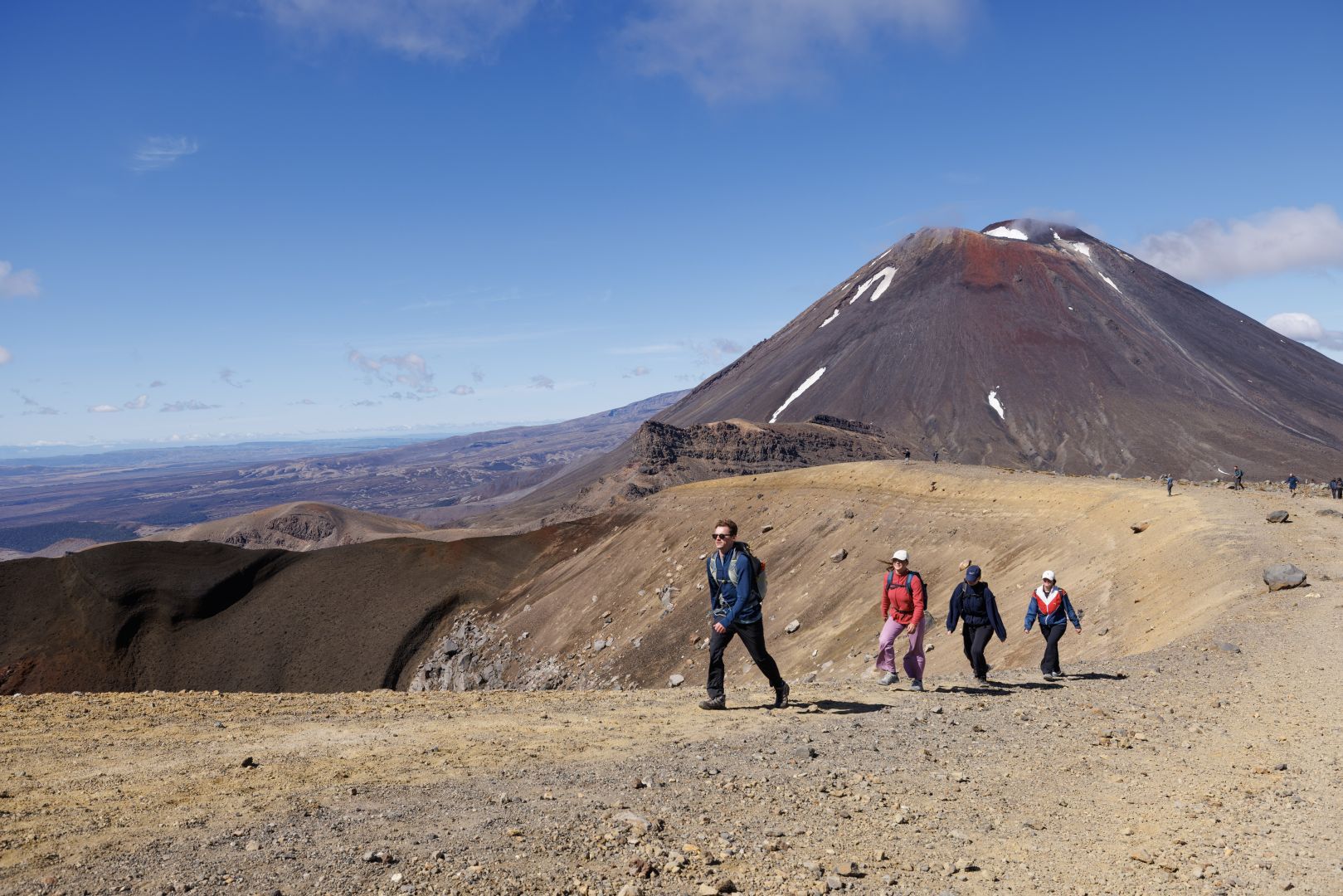
Plan your hike with our Tongariro Alpine Crossing track breakdown. From the devil's staircase to the emerald lakes, learn what to expect at every stage.
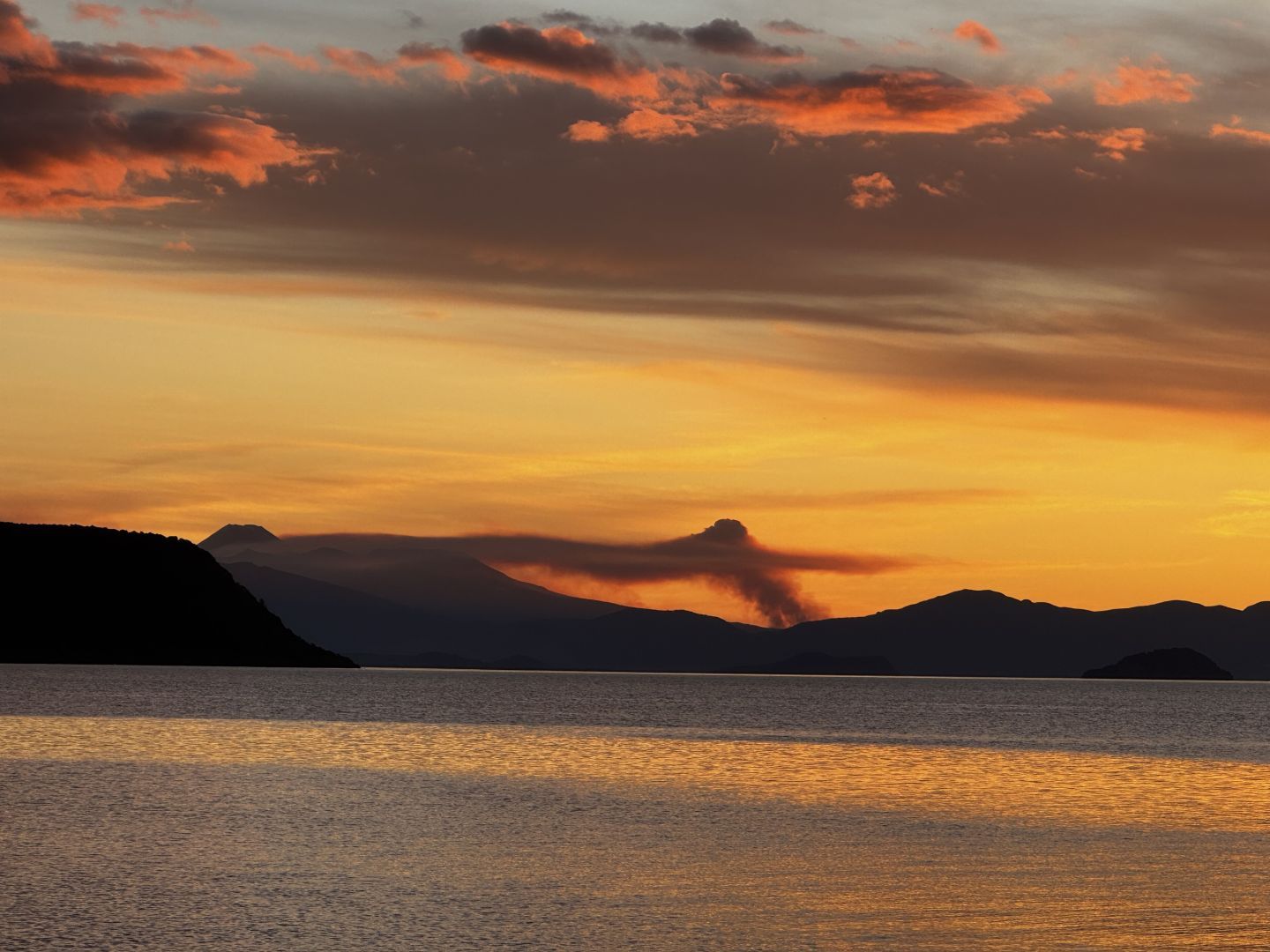
A recap of the damage from the wildfire that took place in Tongariro National Park in November 2025, causing the Tongariro Crossing to temporarily close.
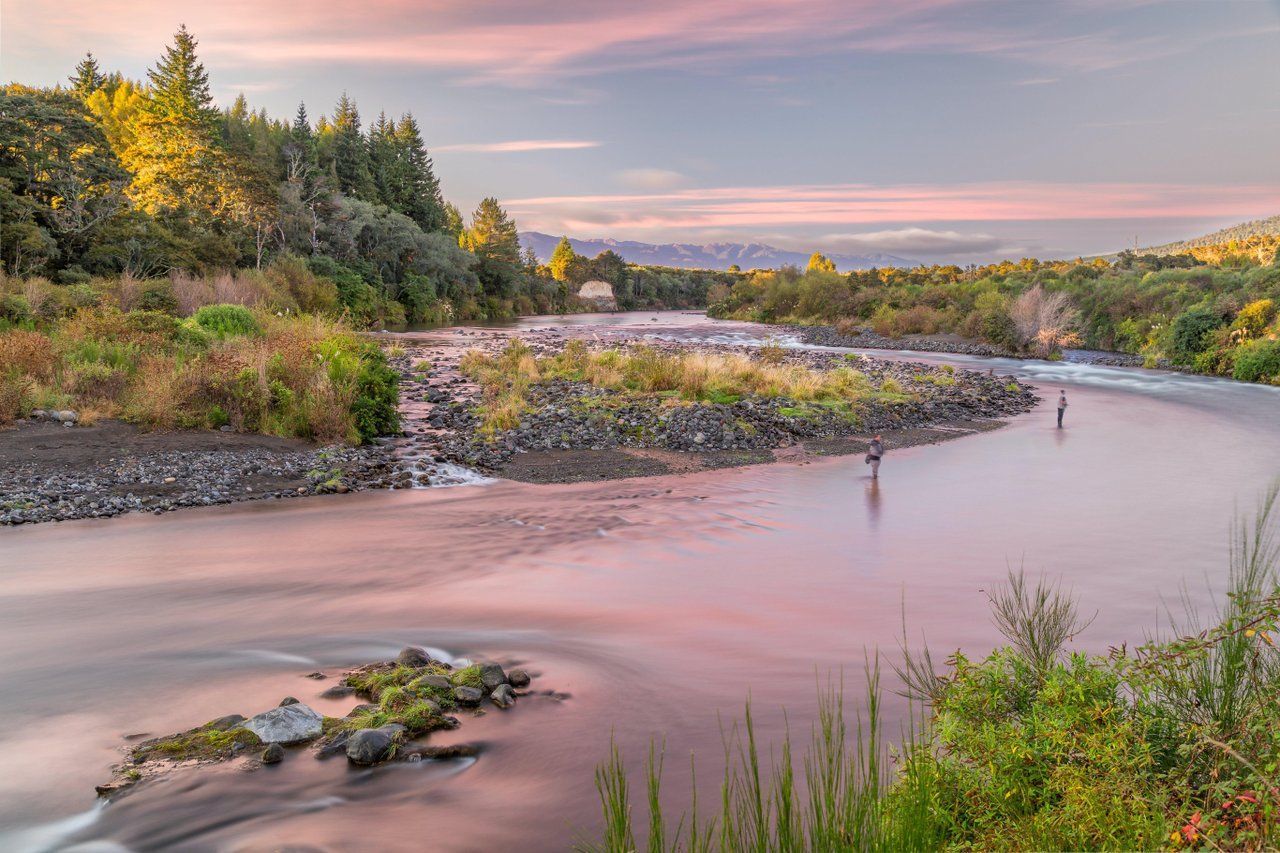
Discover top things to do in Turangi for an unforgettable adventure escape. From world-class fly-fishing to incredible hiking, read more to plan your trip!
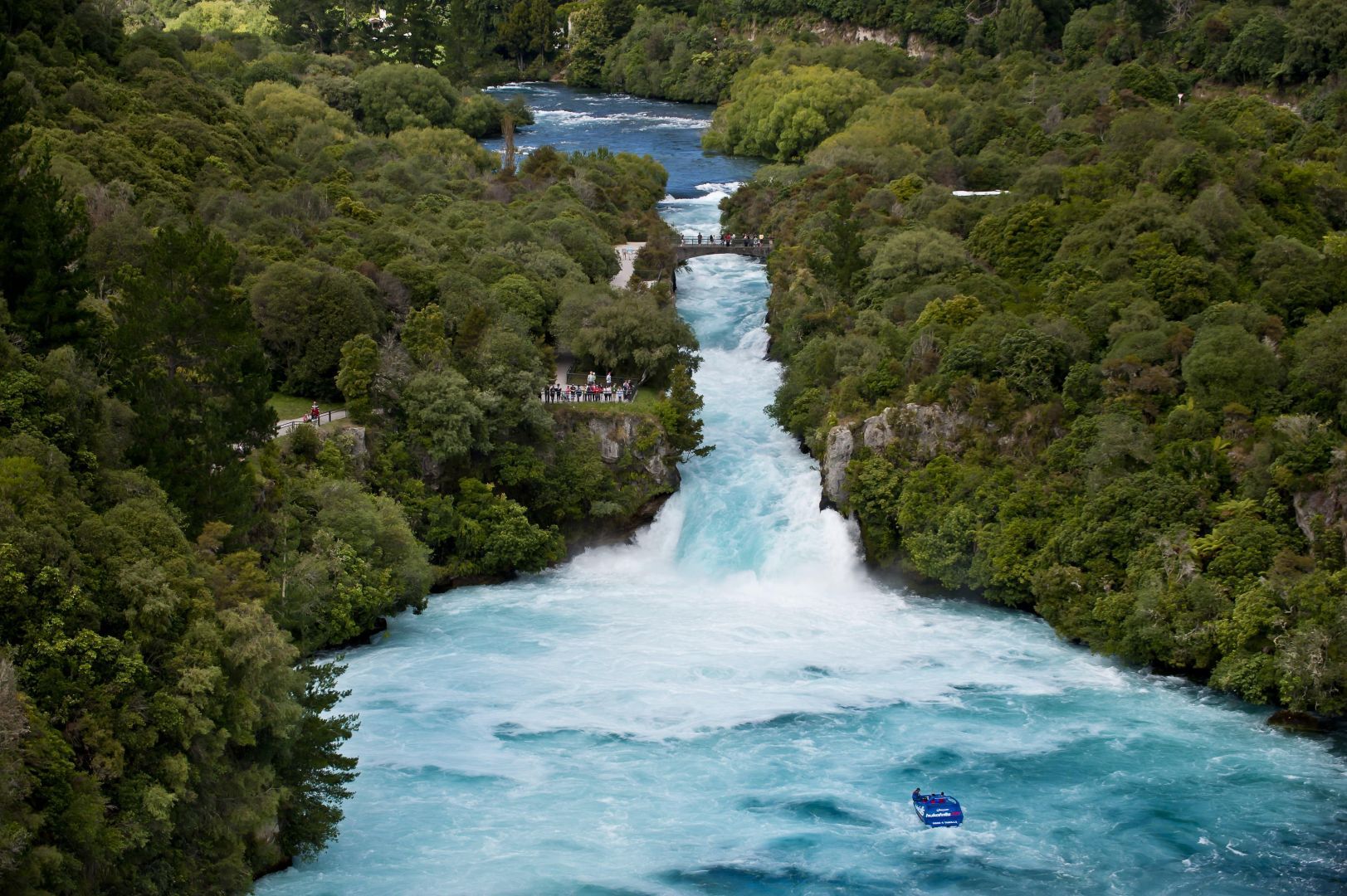
Discover the best things to do in Taupō, from the Tongariro Alpine Crossing to hot pools and lake views, all in our locals' adventure guide.
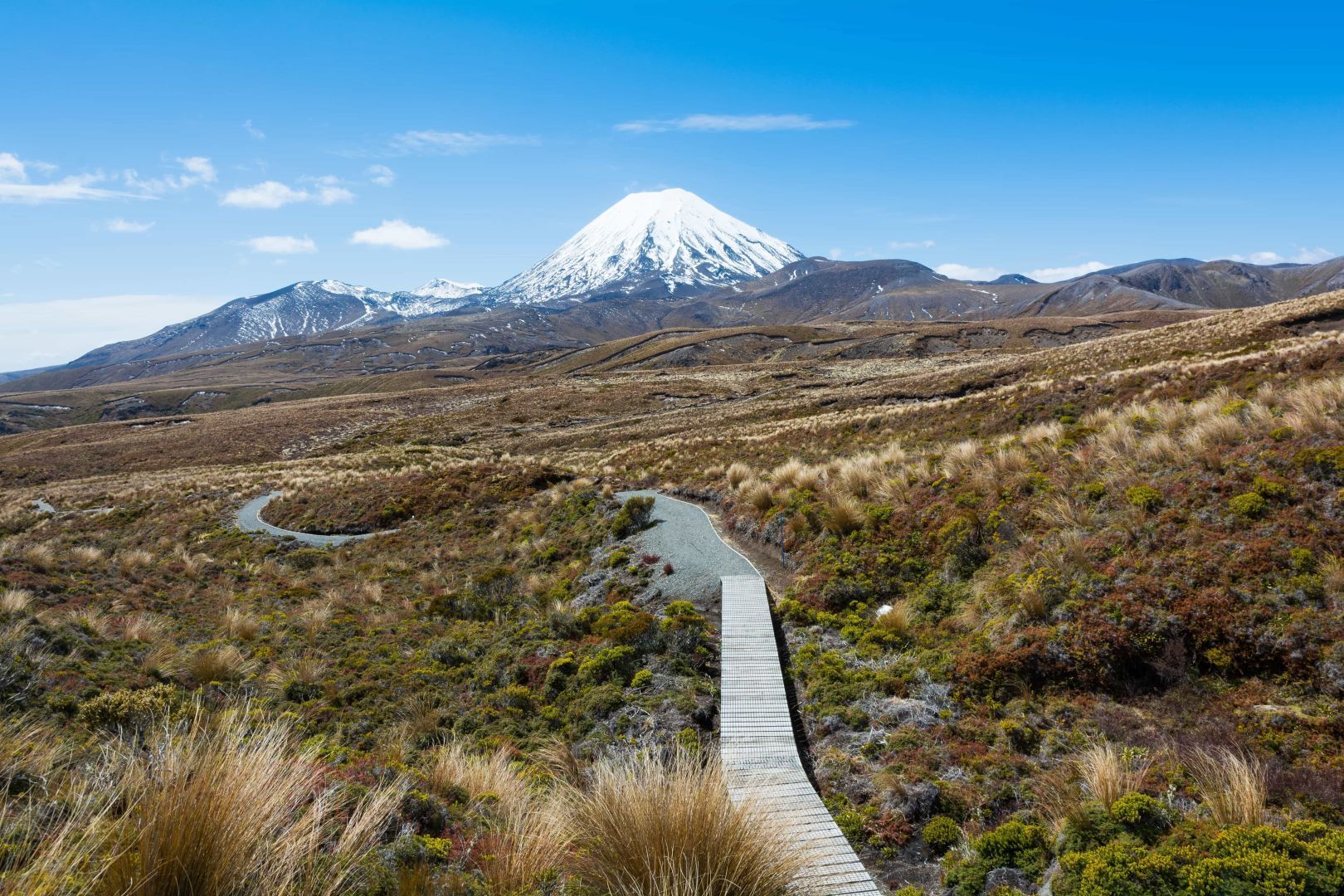
We’re big fans of the Tongariro Alpine Crossing, but there are so many other fantastic walks in and around Tongariro National Park to explore.
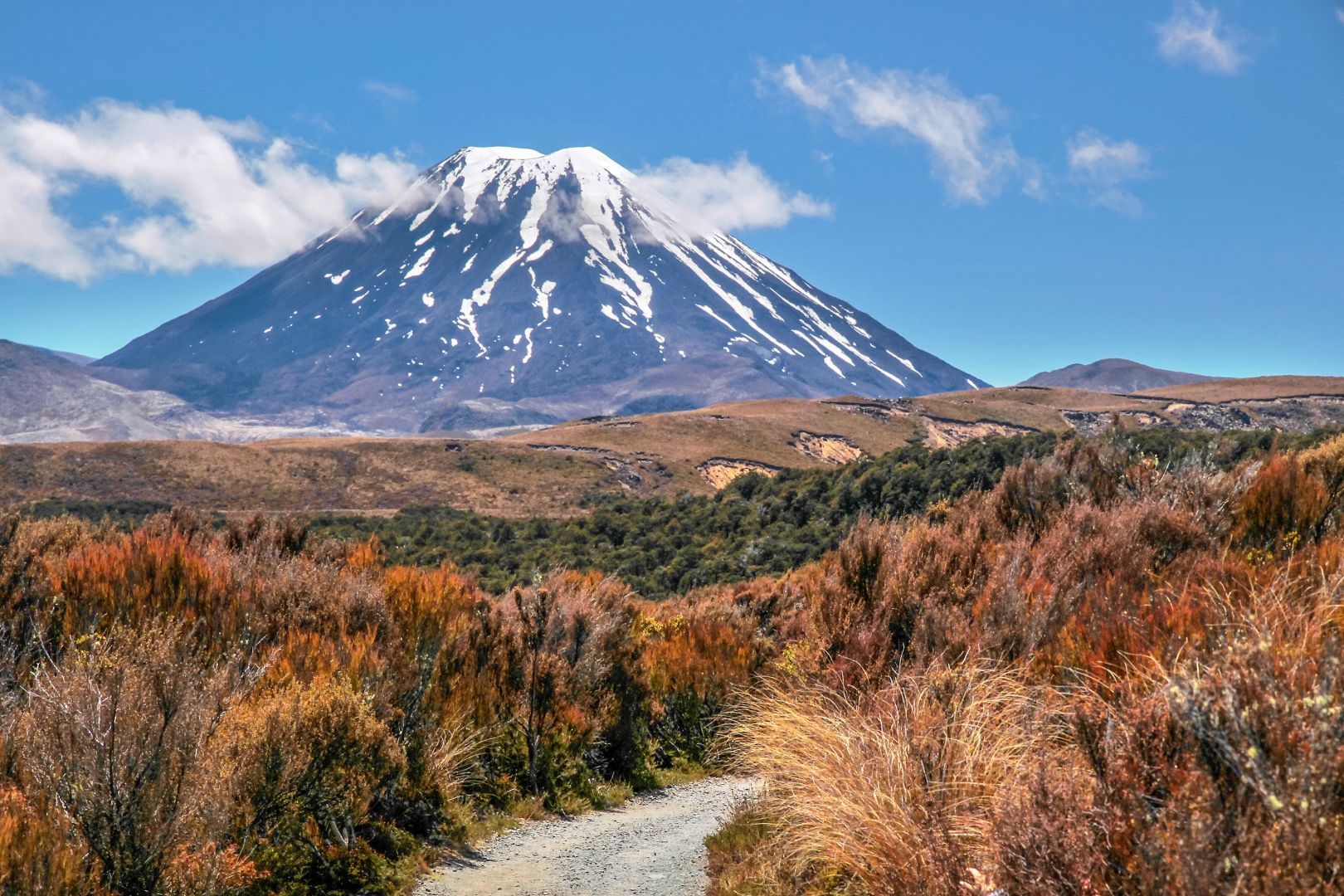
Explore the best things to do in and around Tongariro National Park. From skiing and cycling to hiking and rafting, there is no shortage of experiences.
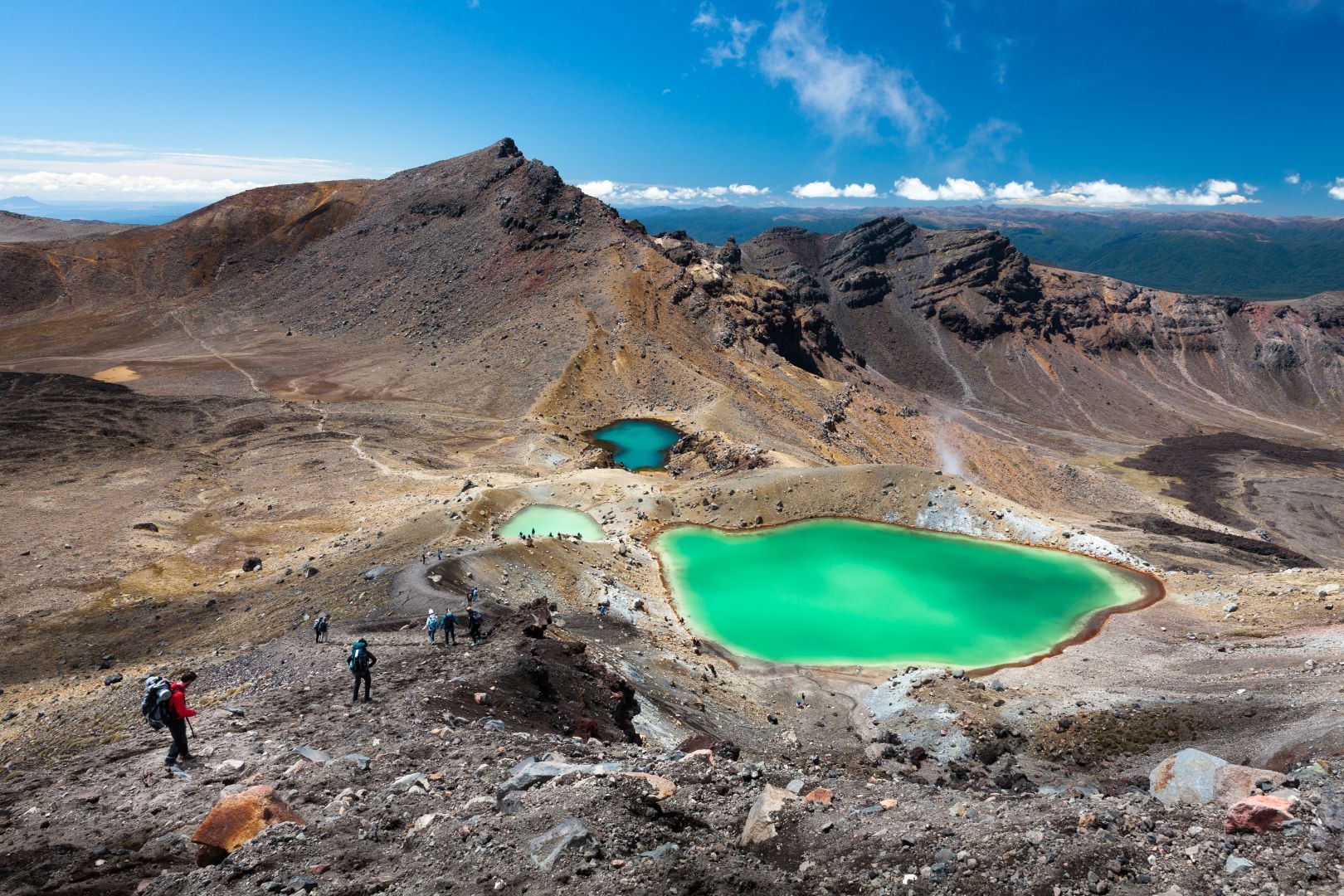
Find out why the Tongariro Crossing hike is one of NZ’s best! From volcanic craters to emerald lakes, this iconic trek is a must-do for adventure seekers.